- BaoZhu Str. 8, Economic Development Zone, XianAn District, XianNing City, 437000, Hubei Province, China


 XiongZhiGroup Co., Ltd
How Injection Mould Design Affects the Quality of Plastic Products
16
Oct 2026
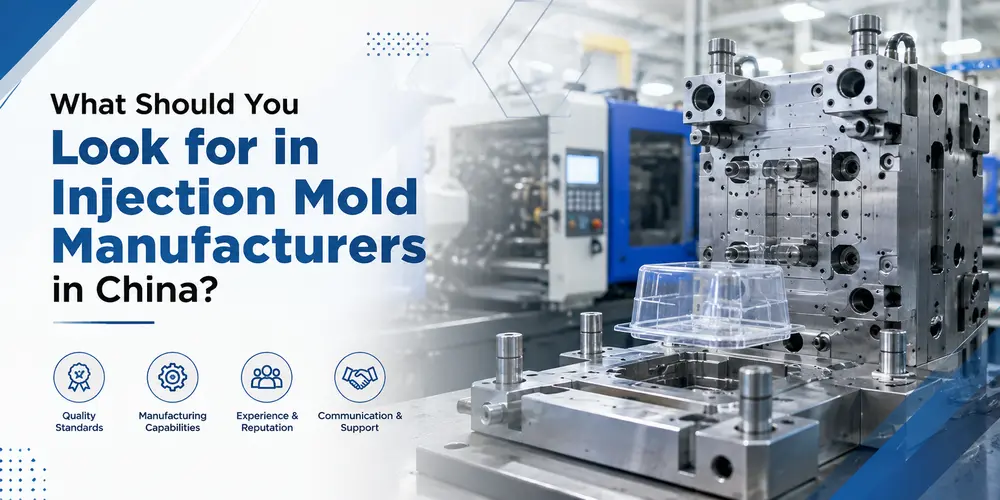
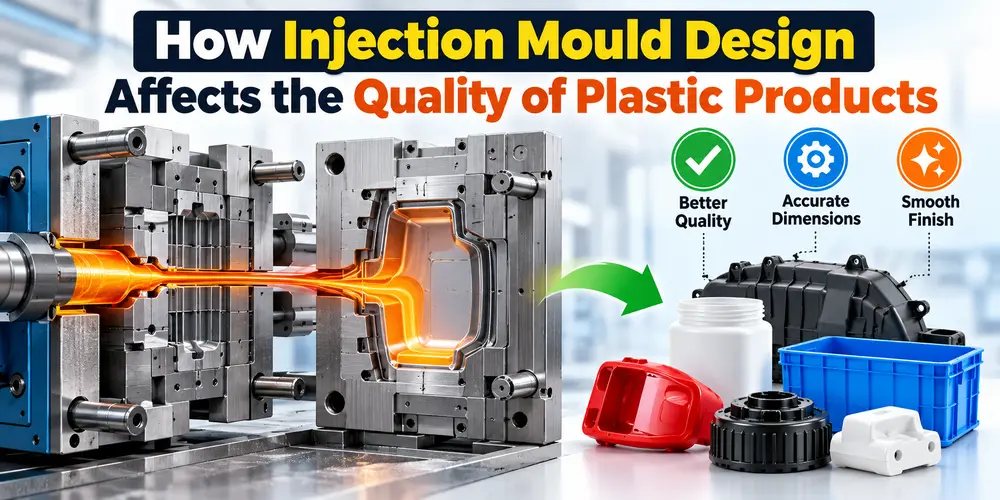
Injection Moulding is kind of the backbone of today’s plastic making, it shapes everything from car dash panels and medical tools to kitchen machines and kids’ toys, but lot of buyers they zoom in on the resin, the machine, or that unit price thing, and they miss the real hidden controller: the mould design. A decent mould, engineered properly, will give consistent parts, they last, and they look clean. But a weak mould design creates defects that you can’t really “tune” your way out of later. At xiongzhigroup.com we’ve seen how smart tooling choices early on can save time, money, and the whole rework circus later. Whether you’re getting your work from Injection Mold Manufacturers in China or you run the tooling process in-house, mould design is basically the first move toward better results.
Why Mould Design Matters So Much
A mould is not only a hollow shape. It’s a precision system that sort of decides how molten plastic flows, fills, cools, and ejects. Every choice, from gate placement to cooling channel layout, impacts strength, dimensions, surface look, and even cycle time. And since a mould is a long-term investment, sometimes it’s running hundreds of thousands or millions of cycles, small issues start stacking up into big quality headaches and cost overruns, over time.
Key Design Factors That Shape Product Quality
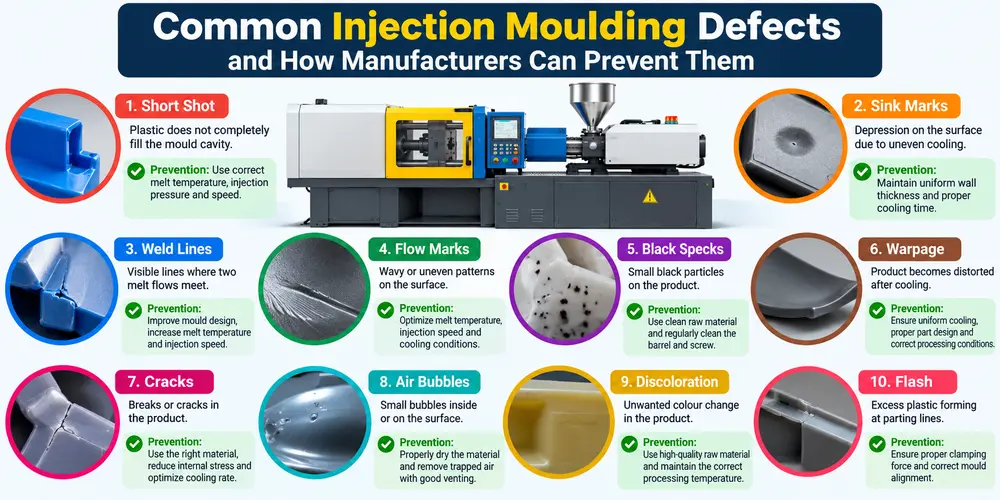
1. Gate Design and Location:- The gate is where the molten plastic enters the cavity. Its size, type, and position decide how evenly the cavity fills. If the gate is placed poorly, you may see weld lines, air pockets, jetting, and non-uniform density. Good designers place gates so the flow goes from thicker sections to thinner ones, reducing stress and helping complete filling. Also, the gate vestige (that tiny mark after trimming) should be put where it won’t ruin appearance or function.
2. Cooling System Layout:- Cooling usually takes more than half of the total cycle time, so it really swings in quality. If cooling is uneven, you’ll get warpage, sink marks, and internal stress that shows up later. Conformal cooling channels that follow the part contours help keep temperatures steady, which supports dimensional stability and can cut cycle time down. Balanced cooling is especially important for large, flat, or thick-walled parts, because differential shrinkage can easily bend the final shape.`
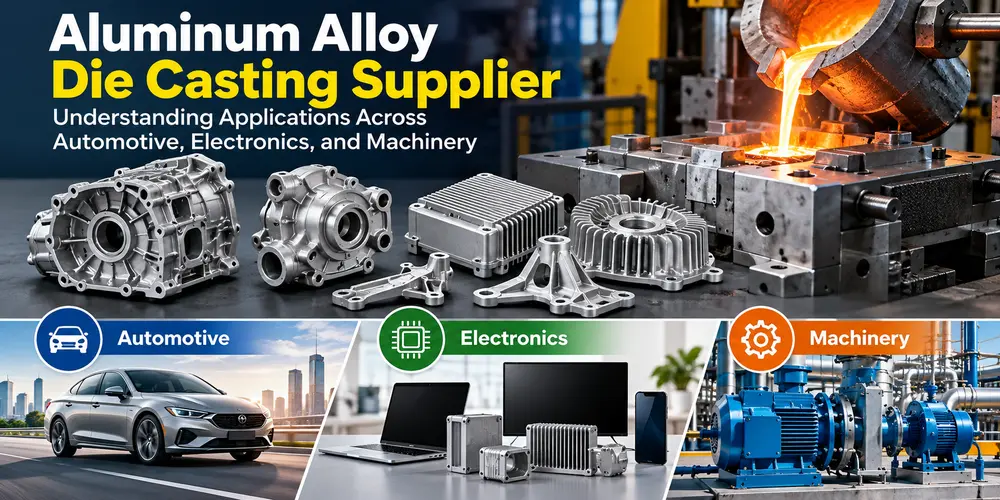
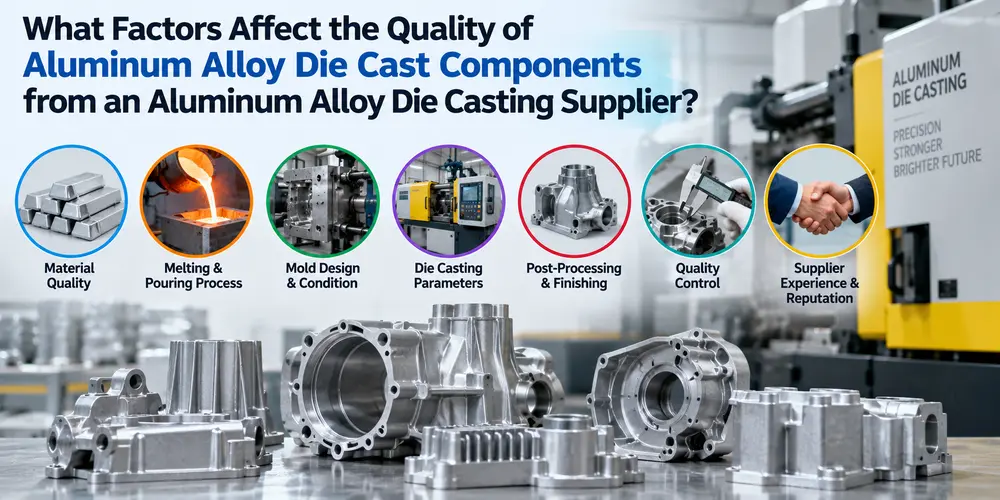
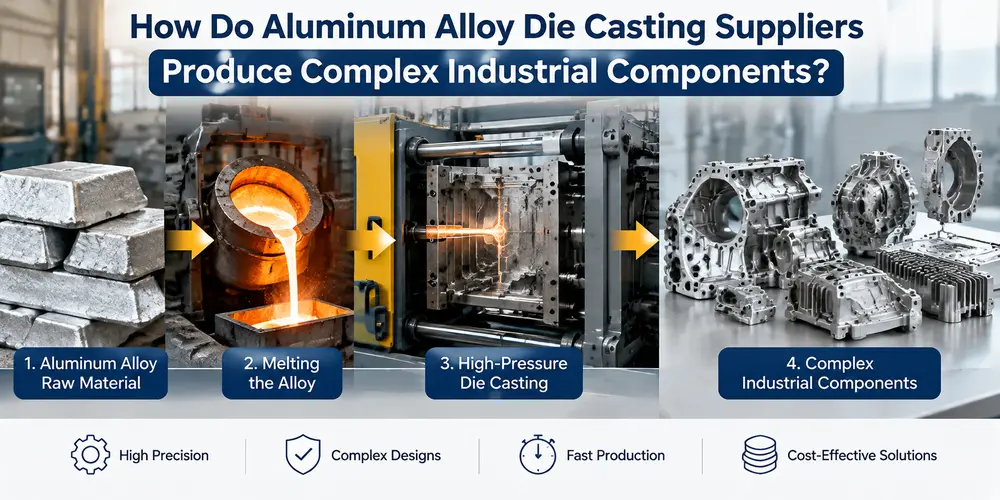
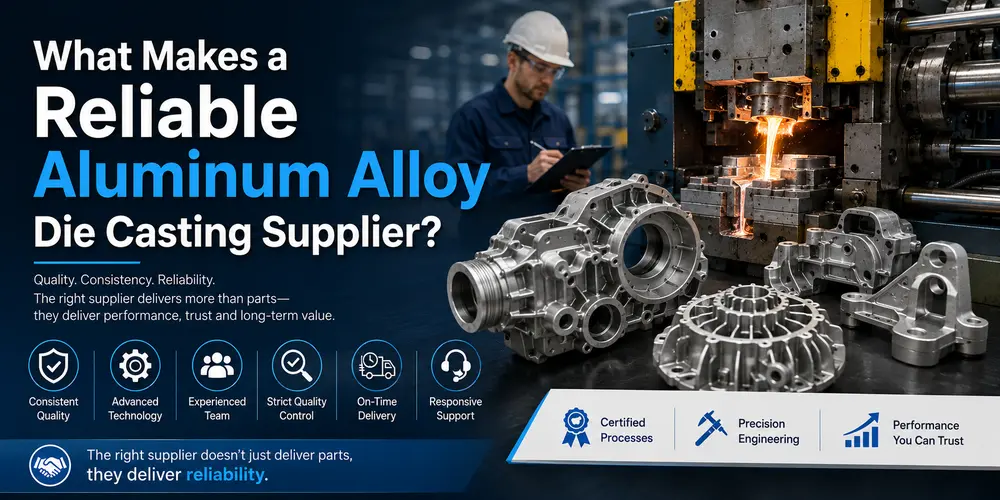
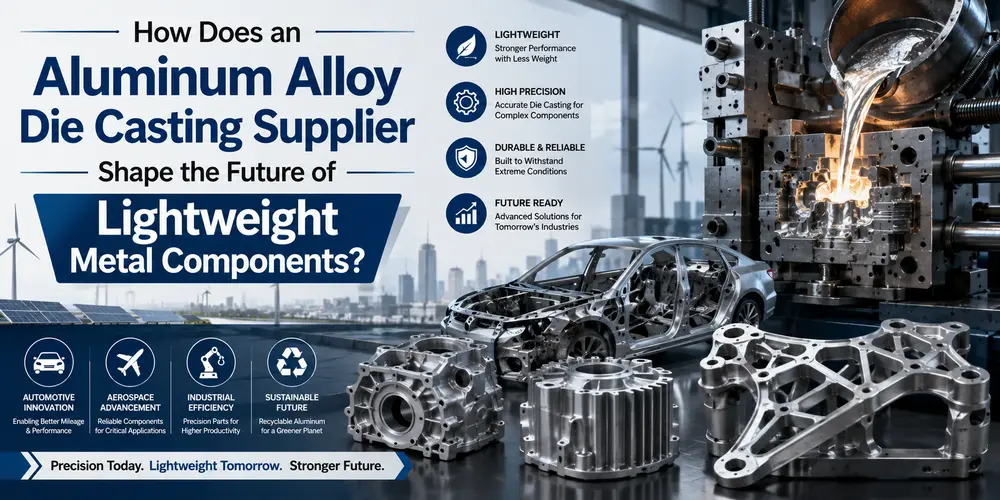
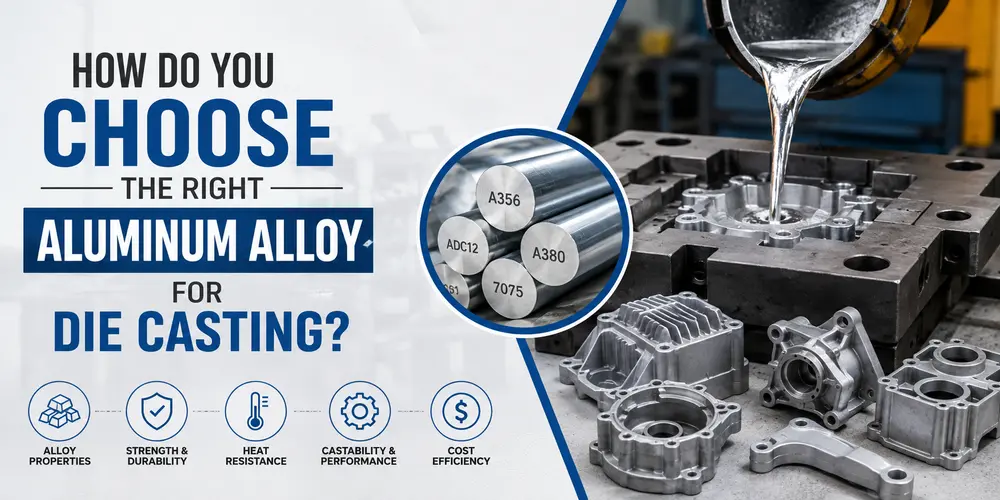
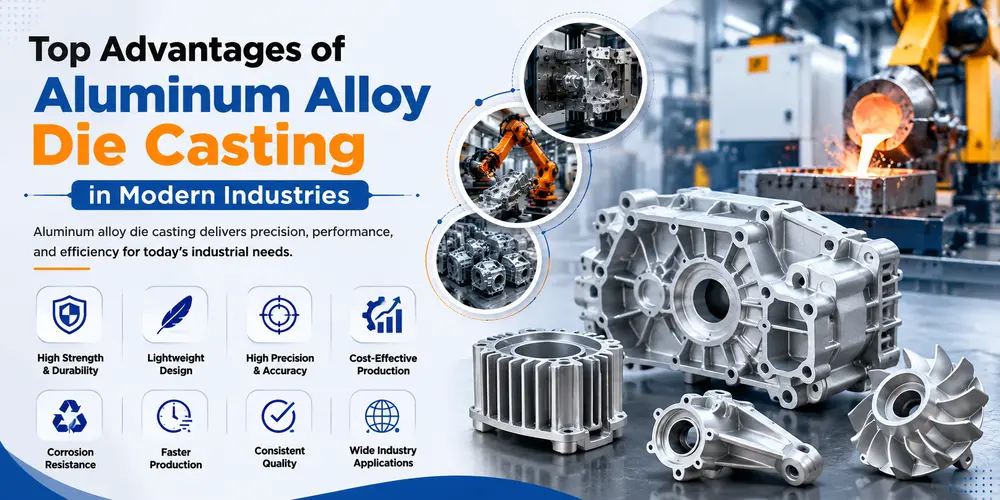
3. Wall Thickness and Part Geometry:- Even if wall thickness starts as a part design thing, it still has to be dealt with when the mould is being designed. If the walls end up uneven, they cool at different speeds, and that is how you see sinks, little voids, and warping later on. A strong mould idea usually pushes for uniform walls, smooth transitions, and it relies on ribs or gussets for extra stiffness not just adding thickness everywhere. Also bigger, well-planned radii at corners help calm down stress build up, and they support smoother flow through the cavity. And for teams working on plastic parts with durable metal items, a dependable Aluminum Alloy Die Casting Supplier can back corrosion-resistant parts that still fit the plastic side work.
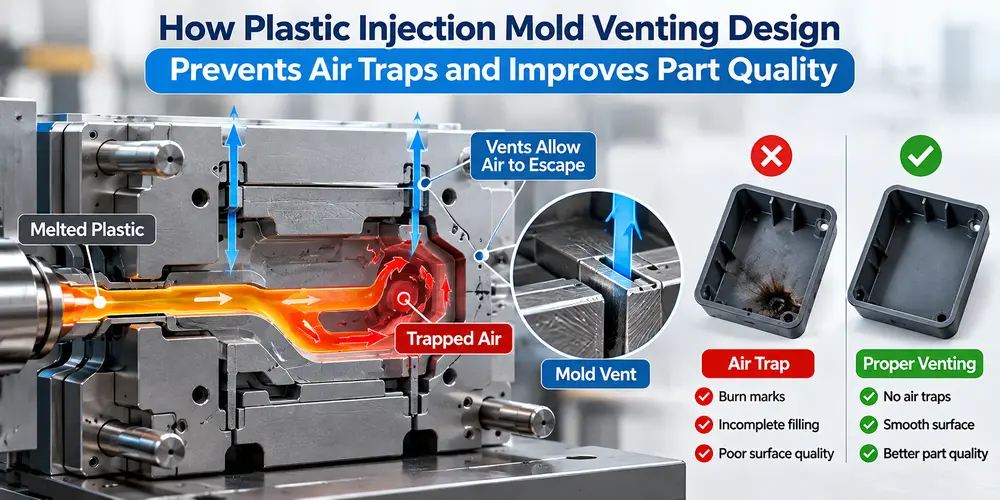
4. Venting:- As plastic fills the cavity, trapped air needs a way out. If vents are missing or weak, the air gets compressed, and it can cause burn marks, short shots, and incomplete filling. But vents that are too deep can create flash. So the best approach is precisely machined vents, often only hundredths of a millimetre in depth, hitting that balance and protecting surface quality.
5. Draft Angles and Ejection System:- Parts need draft angles on vertical walls so they release smoothly. If draft is insufficient, you get drag marks, scuffing, and extra stress during ejection. The ejector pin layout matters too: if pins are placed wrong, they leave visible marks or even deform the part. Smarter designs distribute ejection force evenly, and they locate pins on hidden or non-cosmetic surfaces.
6. Parting Line and Mould Alignment :- The parting line is basically where the two mould halves meet, and it impacts flash, how the part looks, and how tightly you can hold tolerances. A good parting line choice usually aims for areas that can be hidden or finished easily. High precision alignment features, like leader pins and interlocks, help the halves close consistently each cycle, reducing mismatch, and also cutting down the chance of extra flash.
The Role of Machines and Process Control
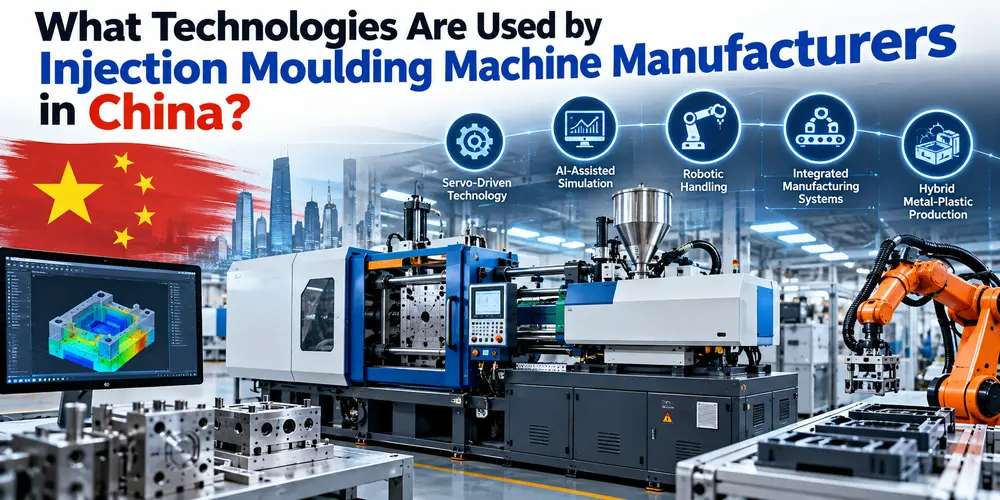
Even with the nicest mould, the output still depends on the right equipment. Matching a precise mould with a stable press is a big deal, so many buyers also look into injection moulding machine manufacturers in China while planning the full production setup. Correct clamping force, injection pressure, and shot size keep the process stable. Engineers also use simulation, like mould flow analysis, to predict filling patterns, cooling behavior, and warpage before any steel gets cut, which reduces trial-and-error and the usual tooling changes that eat time.
Beyond Plastics: Metal Component Solutions
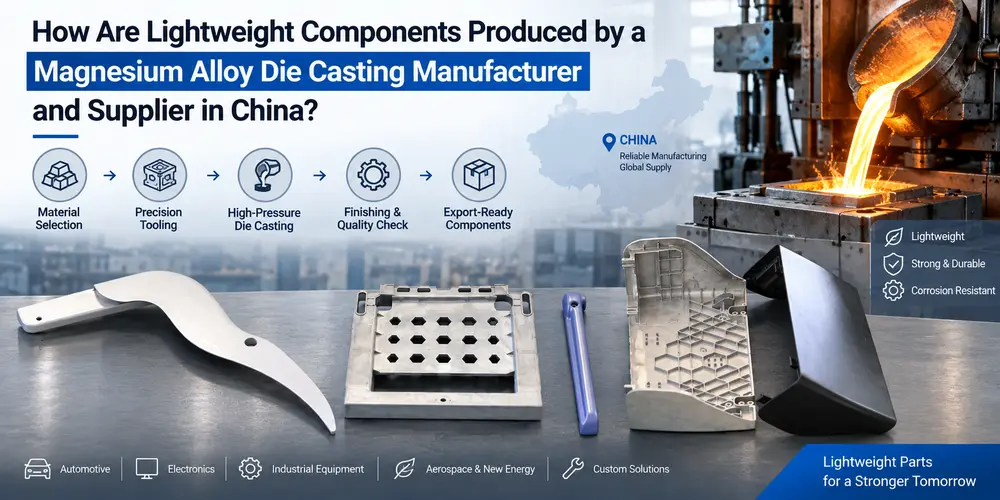
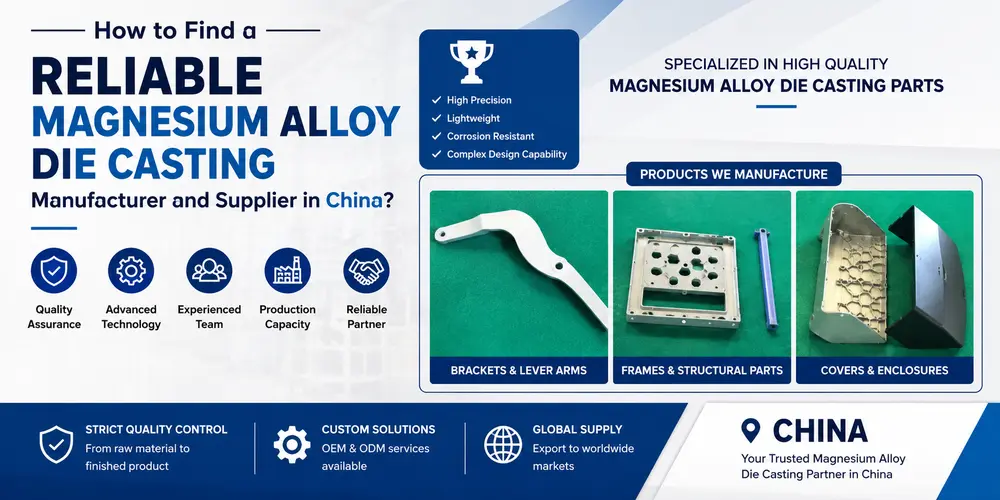
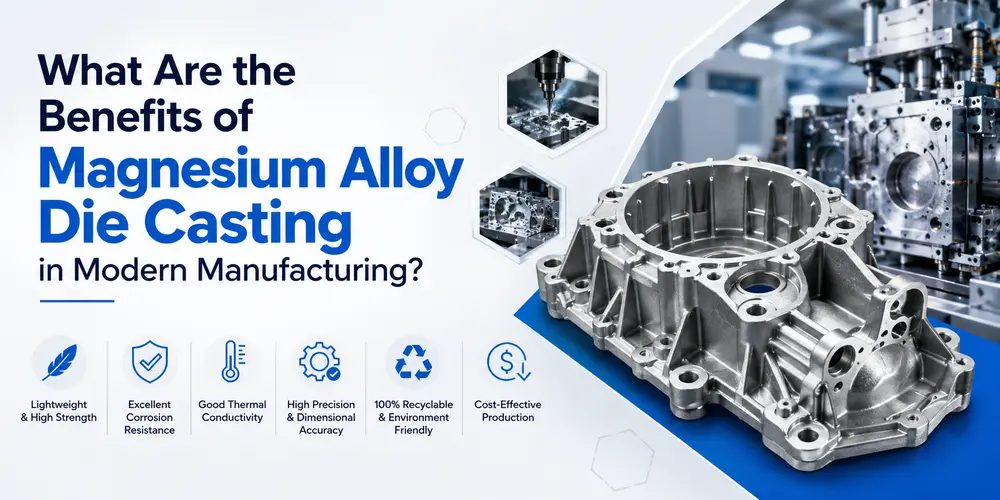
Some products mix plastics with metal parts such as housings, brackets, or heat sinks. If you need lightweight yet strong metal components together with moulded plastics, working with a trusted Magnesium Alloy Die Casting Manufacturer and Supplier in China can simplify sourcing and keep quality consistent across the assembly. When one partner can coordinate both plastic and metal tooling, it reduces communication gaps, and it usually gets you to market faster.
Conclusion: Better Injection Moulding really
Honestly, great plastic parts are sort of “born” before that first shot even happens. Gate placement needs to be thoughtful, cooling has to be balanced, venting should not be an afterthought, draft has to be right and the steel choices matter too. When all of that lines up you usually get steady quality, fewer scrap bits, and shorter cycle times too. If you invest in a design review plus mould flow analysis from the very start of an Injection Moulding project, you tend to see payback again and again across the product life. For tooling you can depend on, die casting support, and full-service manufacturing help, check xiongzhigroup.com and link up with a team that understands how design drives real quality.
Frequently Asked Questions (FAQs)
1. How does mould design affect the quality of plastic products?
Mould design steers material travel, cooling performance, venting behavior, and ejection actions. These details decide dimensional accuracy, surface look, strength, and whether issues show up like warpage, or sink marks
2. What is the most common defect caused by poor mould design?
Warpage plus sink marks are usually the big ones. They often happen because of uneven cooling, or wall thickness that just isn’t consistent enough
3. Why is cooling system design so important?
Cooling impact’s part quality and also cycle time. When cooling is uniform you can prevent distortion and internal stress, and you normally cut down the production time and costs
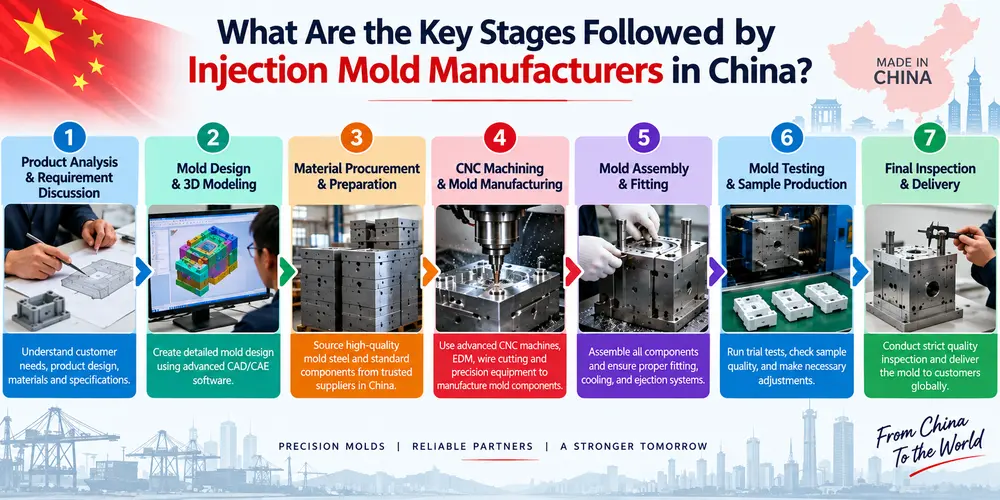
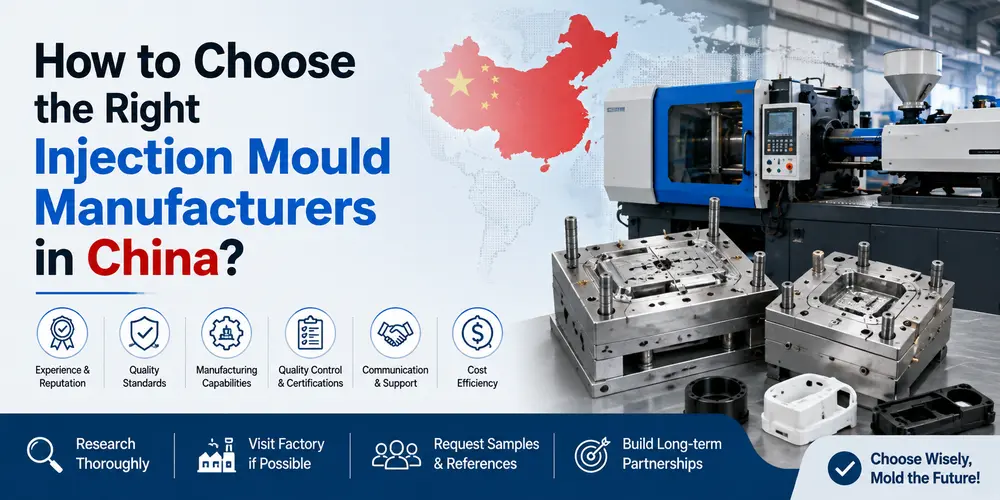
4. How do I choose among Injection Mold Manufacturers in China?
Go by proven experience, in house design and machining capability, mould flow analysis, quality certifications, clear communication, and a solid portfolio for your specific industry
5. Should I also source machines from injection moulding machine manufacturers in China?
Maybe, yes. If the machine specs line up with your mould, the production usually stays more consistent. Still, the mould and the machine do not have to come from the same place, as long as your requirements are met.
6. Can one supplier handle both plastic moulds and metal die casting?
Yes, some suppliers can cover both. They may provide plastic tooling and also support from a Magnesium Alloy Die Casting Manufacturer and Supplier in China, or an Aluminum Alloy Die Casting Supplier, and it helps streamline assembly work
7. How long does a mould last?
That depends on steel grade, maintenance habits, and the material used. Some moulds can run roughly 100,000 cycles (soft tooling), while hardened steel tooling can go past a million cycles
8. What role does mould flow analysis play?
It basically predicts filling, cooling, and warpage before manufacturing begins. Then engineers can fine tune gate positions, wall thickness, and cooling routes, so costly rework is easier to avoid.