- BaoZhu Str. 8, Economic Development Zone, XianAn District, XianNing City, 437000, Hubei Province, China


 XiongZhiGroup Co., Ltd
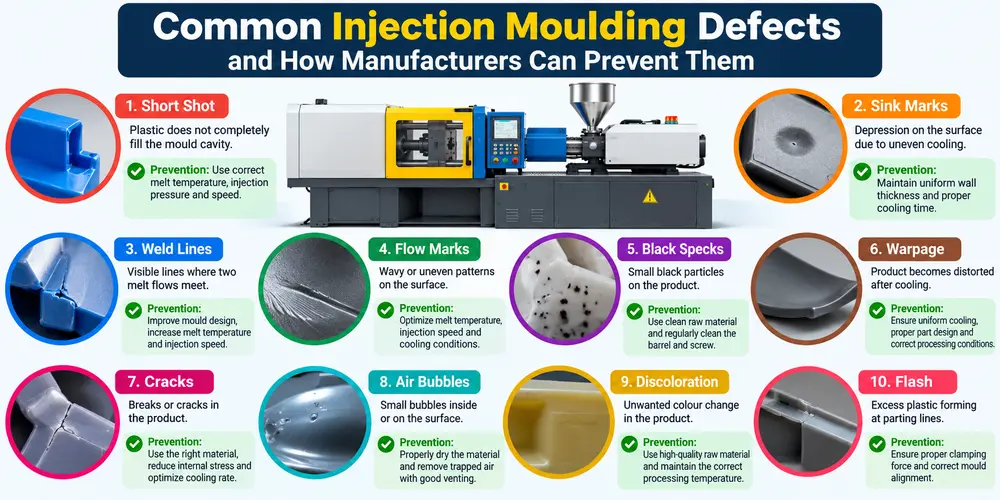
Common Injection Moulding Defects and How Manufacturers Can Prevent Them
08
Oct 2026
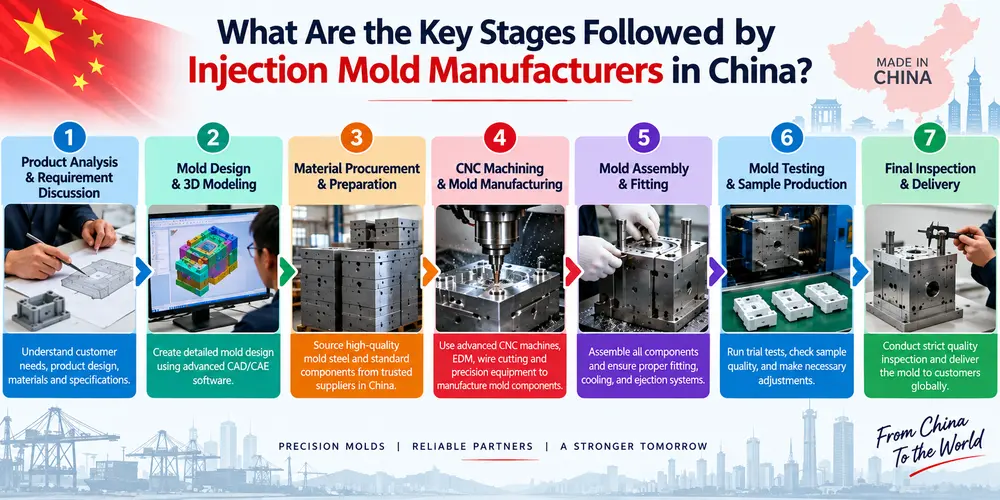
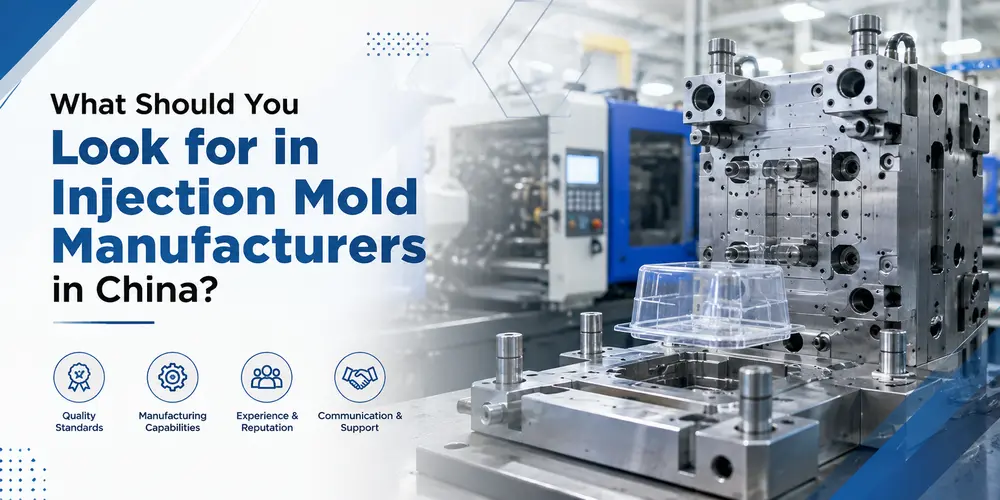
Injection Moulding powers the production of everything from car dashboards to medical devices, but somehow even experienced teams still hit quality trouble. One defect and suddenly it is scrap, delays, and customers that are, like, really not happy. Working with trusted Injection Mold Manufacturers in China such as xiongzhigroup.com helps cut down those risks from day one, because the tooling is precise, and the process control stays tight. So, let’s sort out the most common defects, why they pop up, and how to stop them before they snowball.
Sink Marks and Voids
Sink marks are those small dimples on the surface of a part, usually sitting above thick ribs or bosses. Voids are the less visible relative: hollow pockets trapped inside thick areas, quietly making the part weaker. Both seem unrelated, but they come from the same “root thing.” The outer skin of plastic cools and hardens first, while the inner core is still shrinking, and there just isn’t enough material packed in to compensate. The fix really starts with the design. Keeping wall thickness consistent, or coring out the thick zones, removes the issue at its source. On the machine side, raising packing pressure and holding time, increasing the gate size, and letting the part cool a bit longer helps the cavity pack out properly. For voids in moisture-sensitive resins like nylon and polycarbonate, drying the material correctly before processing is also part of the deal, no shortcuts.
Warpage
Warpage shows up when different sections of a part shrink at different speeds, so after ejection it twists or bends. Uneven cooling is the usual suspect, and it often pairs with inconsistent wall thickness and leftover residual stress. Teams can reduce it with balanced cooling channels, so the mould surface temperature stays even. Picking a lower-shrink material, or using a glass-filled grade when it makes sense, also works. And honestly, it’s smart not to eject too early, plus mold flow simulation during design can forecast deformation before any steel is cut.
Flash
Flash is that thin, extra layer of plastic that slips out of the cavity along the parting line. It often signals worn or damaged moulds, too little clamping force, excessive injection pressure, or the material being too thin. The first defence is regular mould maintenance and checking parting surfaces. Teams also need to confirm the machine clamping force matches the projected area of the part. This is exactly where equipment quality matters: dependable injection moulding machine manufacturers in China build machines with accurate clamping and pressure control, which lowers flash-related rejects a lot.
Short Shots
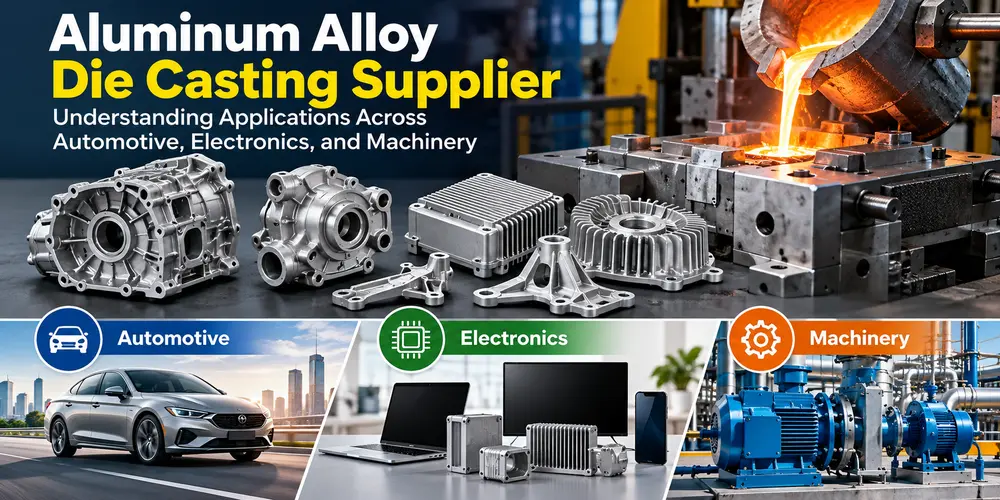
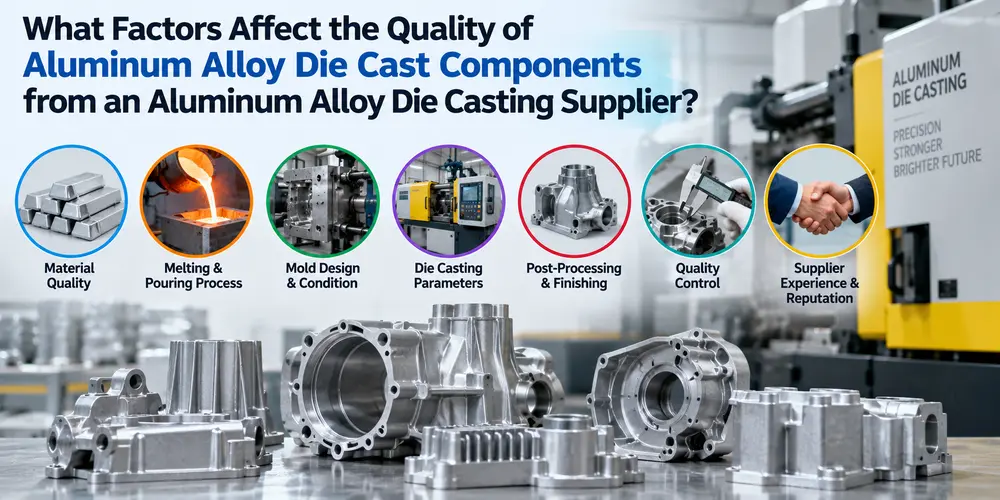
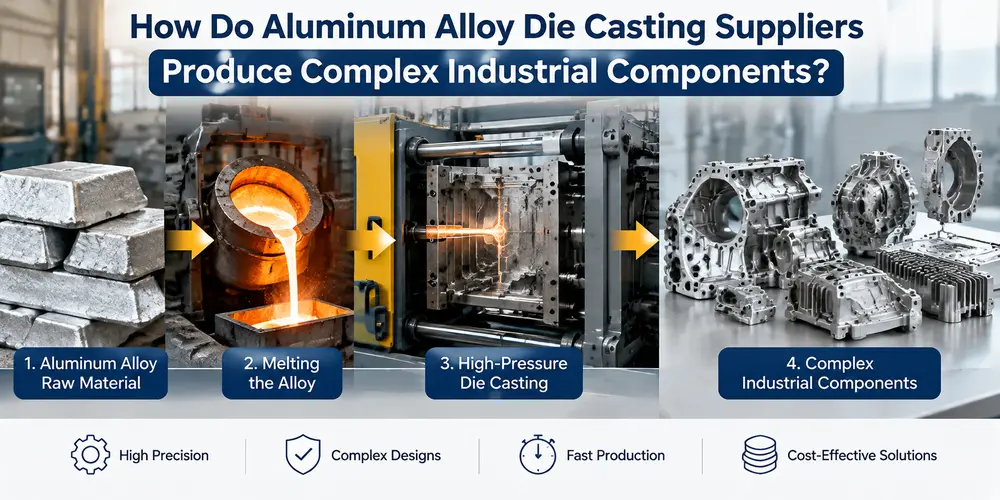
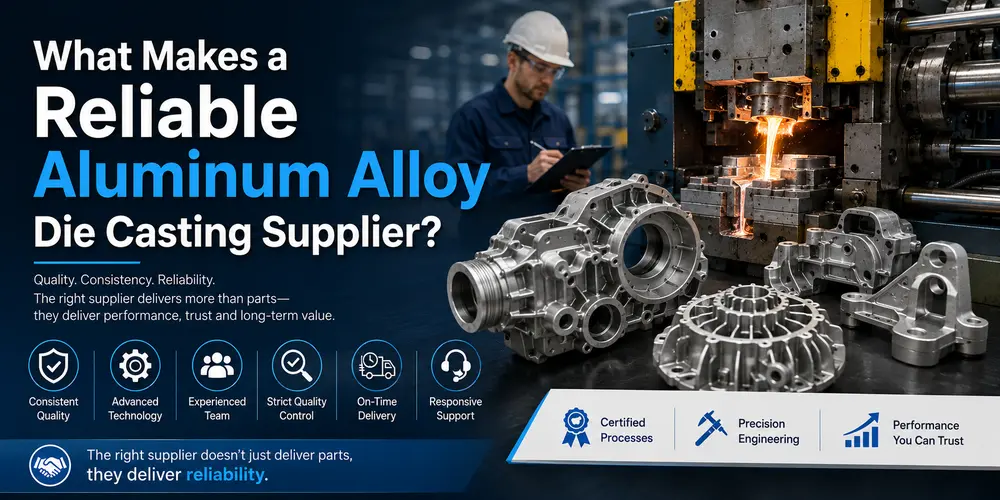
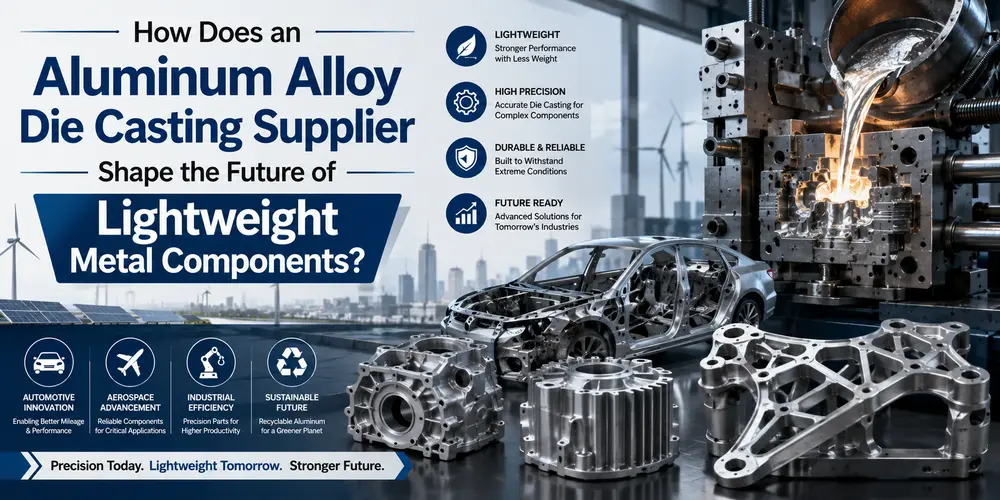
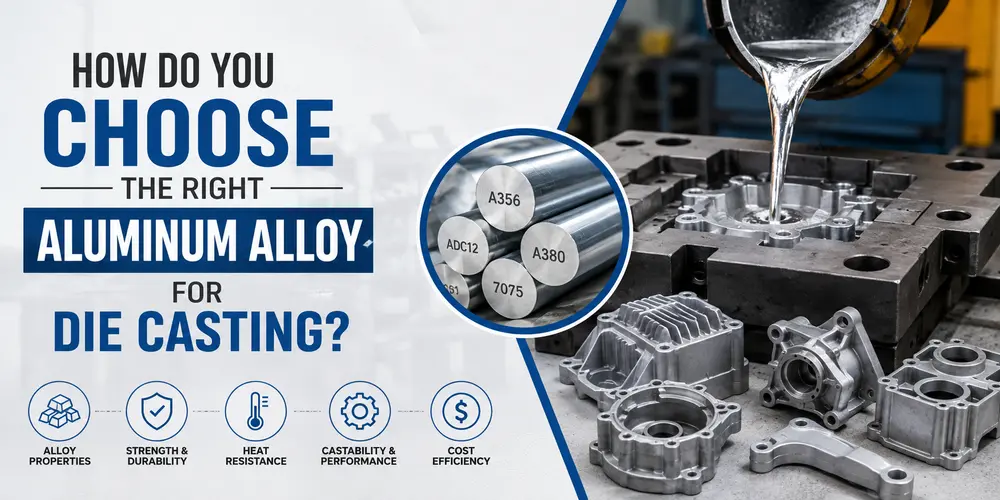
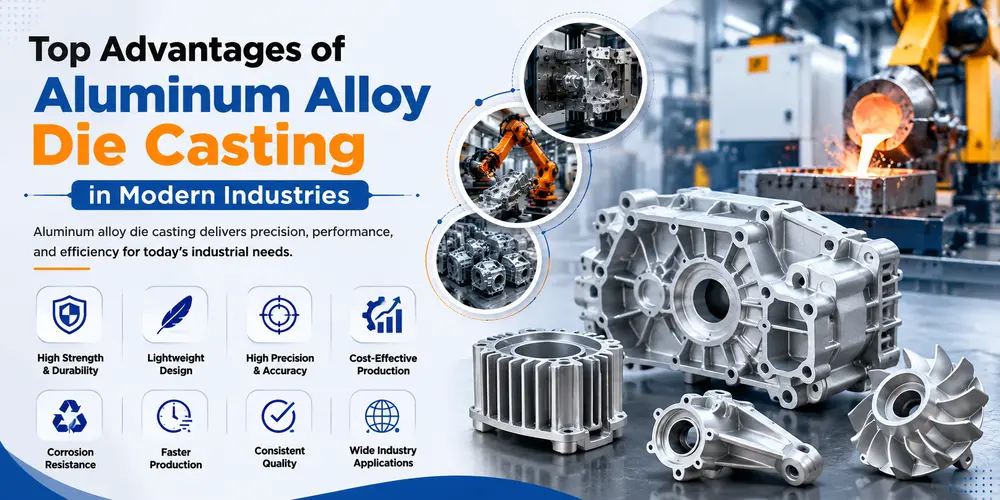
A short shot is when molten plastic fails to fill the cavity, leaving an incomplete part. Typical causes include low melt temperature, restricted flow paths, insufficient injection pressure, and vents that are blocked. Usually, the cure is to raise melt and mould temperatures, staying inside the resin’s recommended range to improve flow. Increasing injection speed and pressure, widening gates and runners, and keeping vents clean so air can escape all help the plastic reach every corner. An experienced Aluminum Alloy Die Casting Supplier can also provide heat-dissipating enclosures and structural frames, though that’s more on the metal side of things.
Weld Lines and Jetting
Weld lines (sometimes called knit lines) are visible seams where two flow fronts meet, but they do not fully bond. These seams weaken the part and can mess up the surface appearance. Better bonding comes from higher melt and mould temperatures, plus improved venting near the meeting point. Also, moving the gate can relocate the weld line into a less critical area. Flow analysis helps here too; engineers can predict where it will show up before production starts. Jetting looks different, kind of like a snake-like pattern on the surface. It happens when plastic shoots through the gate at high speed, without touching cavity walls long enough to settle. Slowing the initial injection speed, enlarging the gate, or redesigning the gate so the material flows against a wall or pin typically fixes it.
Beyond Plastics: Metal Part Making
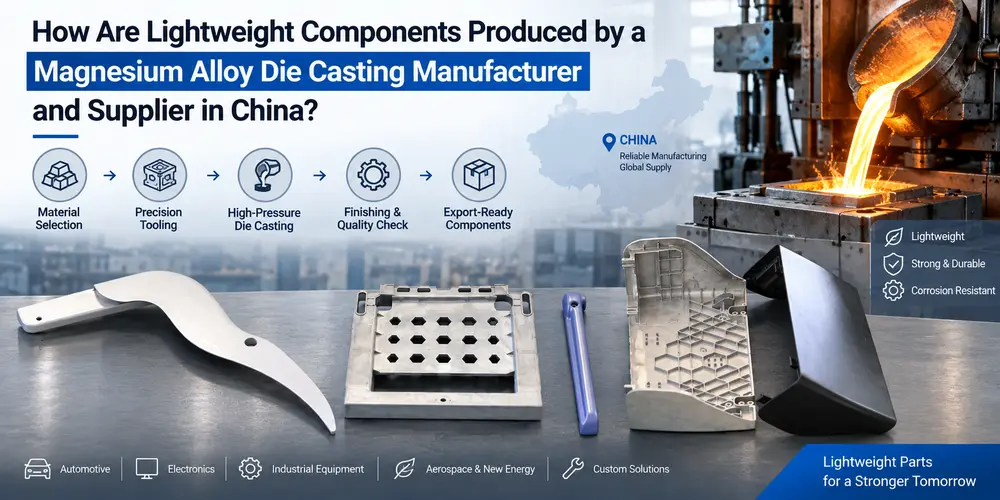
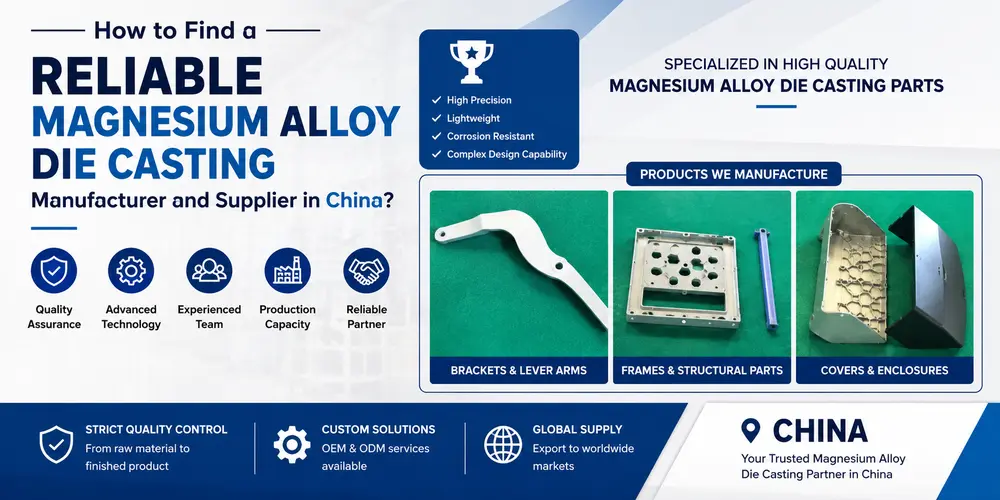
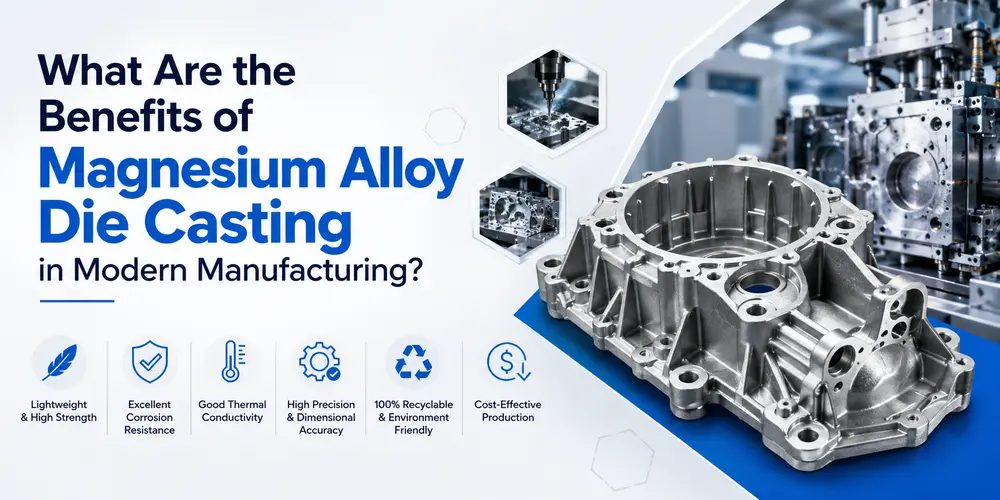
A lot of modern products mix plastic covers with metal structure pieces, and you see it everywhere. Companies that look for lighter yet tough components usually go with a Magnesium Alloy Die Casting Manufacturer and Supplier in China, since the strength-to-weight ratio is really solid. When the same partner handles both moulding and die casting, things can feel simpler, logistics get cleaned up, quality tends to stay consistent and even the day-to-day communication turns out less messy.Some general habits to stop defects
Rather than just chasing problems after they show up, manufacturers can lean on proactive steps, you know, more early work less late stress
- Design for manufacturability DFM: Review the part layout early, reduce heavy sections, smooth out sharp corners, and keep draft angles that actually work with the process
- Run mould flow analysis: Simulation can forecast how the melt fills, where weld lines will land, and which cooling spots can turn into headaches before the tooling is even built
- Control material quality: Store and dry resins properly, and don’t blend different batches, that small habit saves a lot later
- Keep machines and moulds in shape: Planned preventive maintenance helps prevent wear issues from growing into bigger defects
- Track the process: Use sensors along with statistical process control, so any drift gets noticed before it turns into scrap
- Train the operators: Experienced technicians catch early warning signs, they can tune settings faster instead of waiting for a slow response team
Conclusion: Getting Injection Moulding Quality Right
Steady quality in injection moulding is mostly about smart part design, accurate tooling, machines that are actually well maintained, and strict process control. A lot of defects that pop up, they usually come back to a small set of factors, like temperature, pressure, cooling, venting and the geometry decisions made in the design. If you get a handle on those, scrap rates drop and efficiency plus reputation climb, it follows. No matter if you’re after plastic components, precision moulds, or die-cast metal parts, the right partner really changes the outcome. xiongzhigroup.com provides end to end services, from mould design all the way to mass production, so clients can reach dependable results while keeping costs competitive.
Frequently Asked Questions
1. What injection moulding issue shows up more often, in the real world?
Sink marks, warpage, and flash pop up the most, and they’re usually related to cooling, pressure and design decisions, kind of all tied together.
2. How can warpage be avoided, without chasing it forever?
Try to keep wall thickness evener, go for balanced cooling, pick suitable materials, and let the parts cool fully before ejection—this part matters more than people expect.
3. Why do short shots happen, even when the machine seems fine?
They often come from low melt temperature, not enough injection pressure, flow channels that are overly restricted, or vents that end up blocked, no air escaping at all.
4. How do I choose dependable injection mold manufacturers in China?
Look for real experience, the right certifications, in house design capability, clear communication, and a track record on projects that are similar to yours.
5. Does mould design really affect defect levels, seriously?
Yes. Gate positioning, venting strategy, cooling layout and even the way wall thickness is handled, those things heavily influence quality results.
6. Can one supplier handle both moulding and die casting, or is that wishful thinking?
Often, it works. Some integrated providers offer plastic moulding along with aluminum and magnesium die casting, which can cut lead times and make the supply chain less messy.
7. How often should moulds be serviced, like a calendar thing?
It depends on production volume and material behavior, but routine cleaning and inspection after set production cycles helps reduce flash problems and burn marks