- BaoZhu Str. 8, Economic Development Zone, XianAn District, XianNing City, 437000, Hubei Province, China


 XiongZhiGroup Co., Ltd
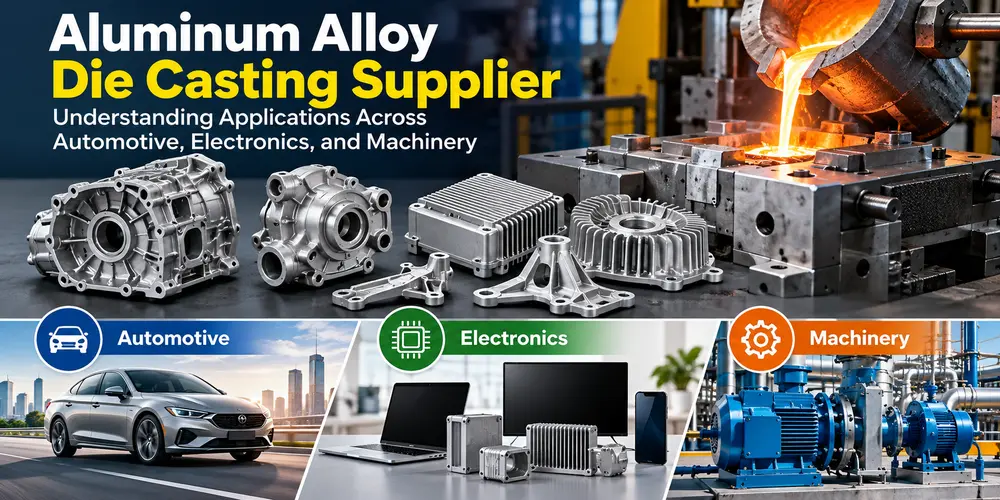
Aluminum Alloy Die Casting Supplier: Understanding Applications Across Automotive, Electronics, and Machinery
06
Oct 2026
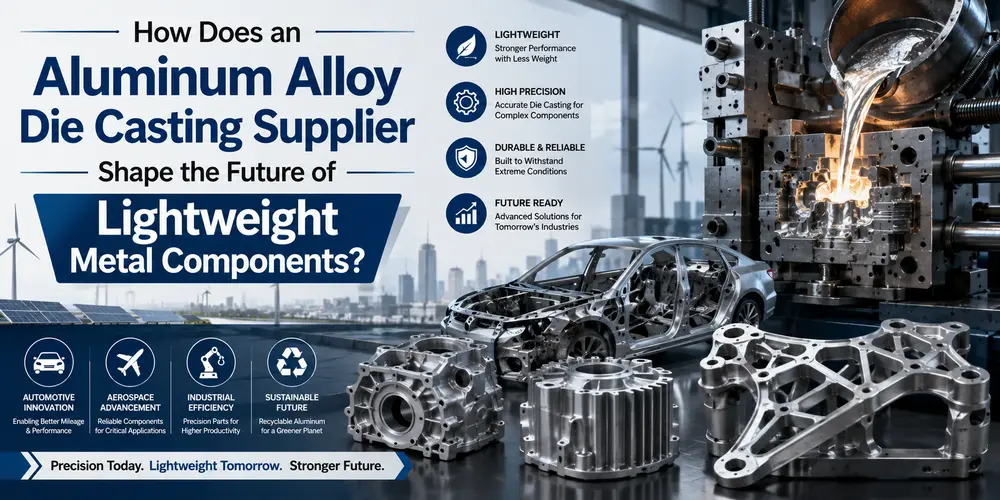
Choosing the right Aluminum Alloy Die Casting Supplier can end up deciding if your product is light in the hand, durable, and somehow still cost-effective, or the opposite—heavy, fragile, and kinda expensive. Aluminum die casting now is one of the more widely used metal-forming processes in modern manufacturing, and it can handle everything from engine components to phone frames. Companies like xiongzhigroup.com offer blended solutions where you can work with a Magnesium Alloy Die Casting Manufacturer and Supplier in China, so buyers can compare materials and pick what matches each part. This article goes over how aluminum die casting works, why it is so popular, and where it shows up across automotive, electronics, and machinery industries.
What Is Aluminum Alloy Die Casting?
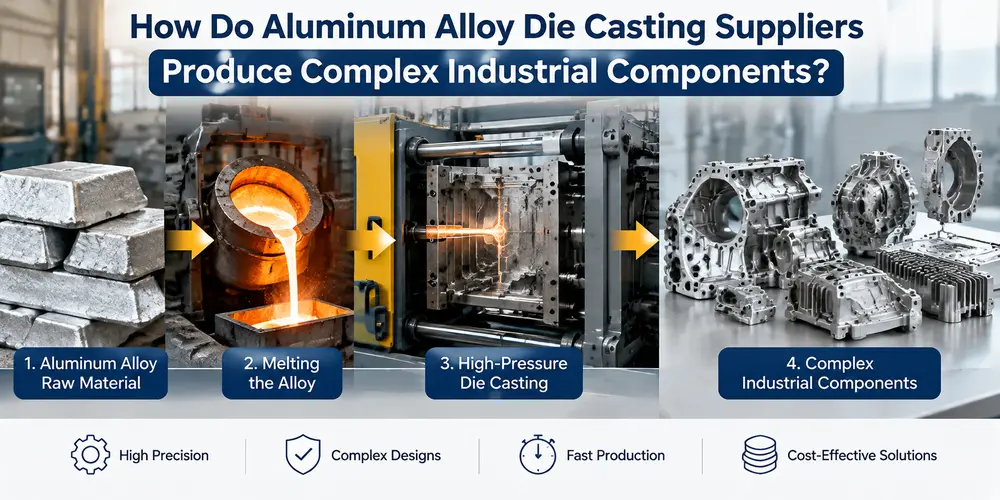
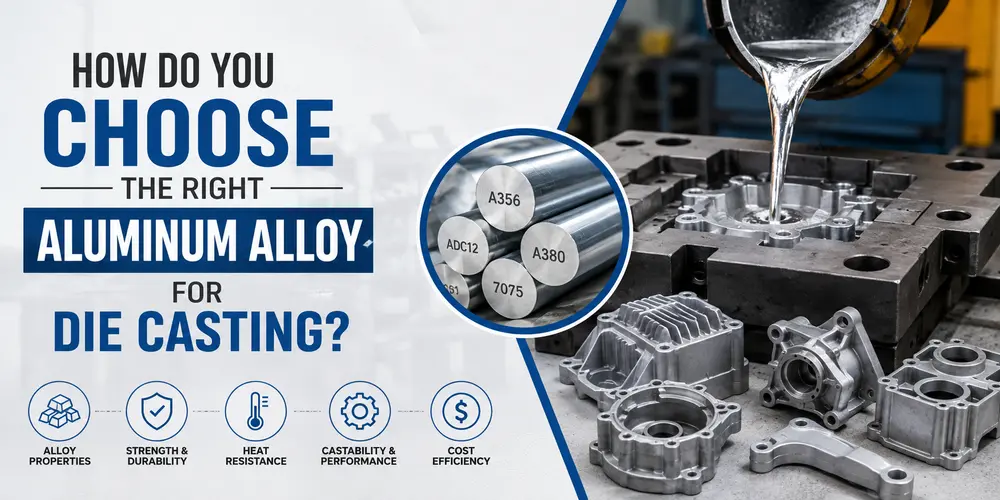
Aluminum alloy die casting works by forcing molten aluminum into a reusable steel mold (called a die) using high pressure. The metal cools down fast, solidifies, and the part gets ejected when it is done. In many cases you get complicated shapes with thin walls, tight tolerances, and smooth surfaces often with little or no extra machining after. Typical alloys include A380, A383, ADC12, and A360. Each one shifts the balance between strength, corrosion resistance, thermal conductivity, and castability, a little differently. A good supplier should help you choose based on your part’s load, the environment it lives in, and what kind of finishing you need. Businesses like xiongzhigroup.com offer blended solutions where you can work with a Magnesium Alloy Die Casting Manufacturer and Supplier in China, so buyers can compare materials and pick what matches each part.
Why Manufacturers Choose Aluminum Die Casting
There are a few reasons the process stays popular:
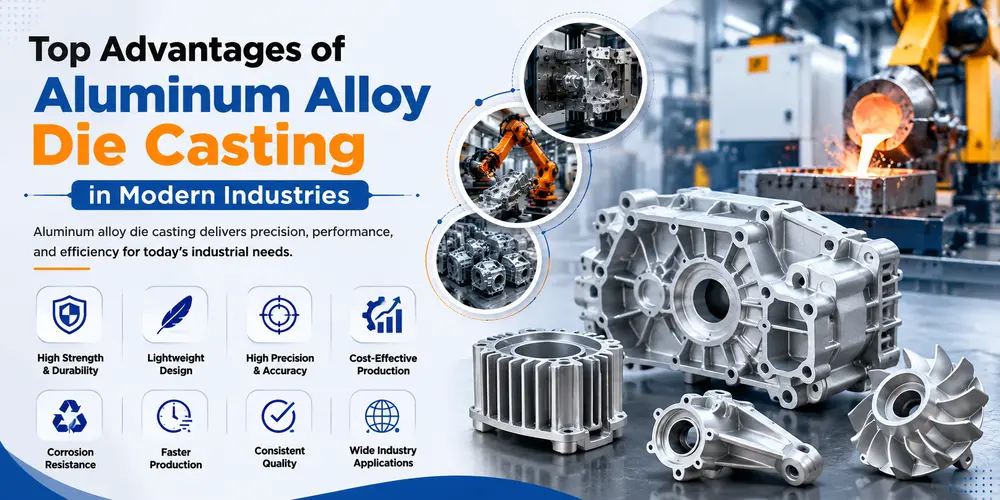
- Lightweight strength: Aluminum has a good strength-to-weight ratio, which really matters when weight impacts performance or efficiency
- Dimensional accuracy: Die cast parts keep tight tolerances across thousands of cycles
- Thermal and electrical conductivity: Aluminum moves heat well and also supports good EMI/RFI shielding
- Corrosion resistance: A natural oxide layer helps protect, and anodizing, powder coating , or plating can make it even better
- High-volume efficiency: After tooling is ready, cycle times are short, and cost per part drops
- Recyclability: Aluminum is highly recyclable, so it fits sustainability goals better
Applications in the Automotive Industry
The automotive industry is one of the biggest consumers of aluminum die castings. As emissions rules keep tightening, and electric vehicles (EVs) keep rising in popularity, reducing vehicle mass becomes a top goal. Aluminum die castings help manufacturers do that, practically.
Common automotive uses include:
- Engine blocks, cylinder heads, and oil pans
- Transmission housings and gearbox cases
- EV battery enclosures and motor housings
- Steering components and suspension brackets
- Structural pieces like shock towers and cross-members
- Heat sinks and cooling pieces for power electronics
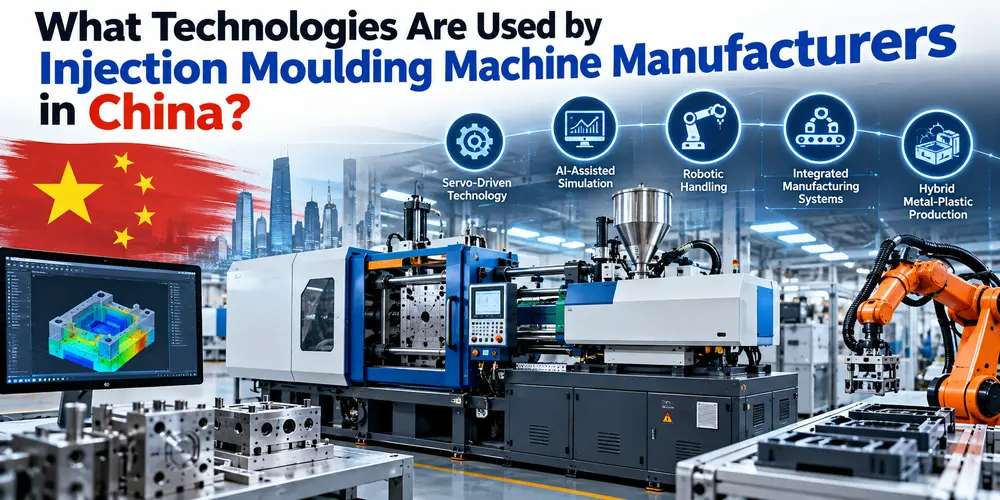
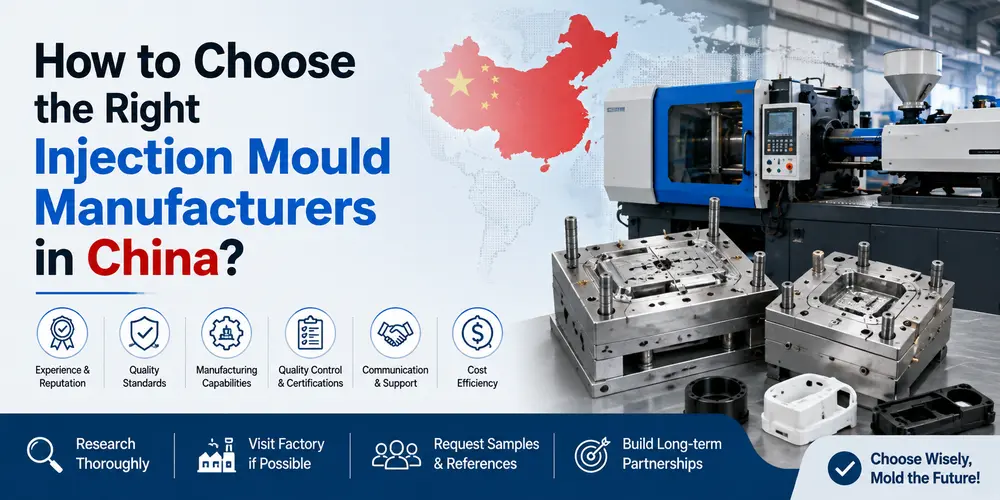
Also, larger “mega-casting” methods are growing, where many stamped and welded parts get consolidated into one casting. That trims assembly steps, reduces overall weight, and can improve structural rigidity. And if your job also needs production equipment, it’s often helpful to team up with a partner that’s linked up with injection moulding machine manufacturers in China, so you get a wider manufacturing web.
Applications in the Electronics Industry
Electronics today often need compact designs, light weight, and thermal control that actually performs. Aluminum die casting helps because it can form thin, precise walls while still moving heat where it should go.
Typical electronics applications are:
- LED lighting housings and heat sinks
- 5G telecom base station enclosures and antenna components
- Laptop, tablet, and camera frames
- Server and networking equipment chassis
- Connectors, brackets, and shielding cases
- Power supply and inverter housings
Because aluminum offers shielding against electromagnetic interference and helps pull heat away from sensitive components, it supports both performance and product lifespan. A solid die casting partner can also supply surface finishing like sandblasting, anodizing, and powder coating, so you get the visual finish consumer products demand.
Applications in Machinery and Industrial Equipment
For machinery makers, it is about durability, accuracy, and steady supply even when the environment is tough. Aluminum die cast components cover those needs in industrial conditions that do not really care.
Common machinery uses include:
- Pump and compressor housings
- Gearbox and motor casings
- Hydraulic and pneumatic valve bodies
- Power tool housings and handles
- Robotics and automation components
- Agricultural and construction equipment parts
In these kinds of jobs, die casting can replace heavier cast iron, and it can also reduce how much work is needed compared with more labour-intensive fabricated assemblies. The outcome is lighter equipment, easier handling, and often lower long-term operating costs.
Beyond Casting, the real worth of one integrated manufacturing partner
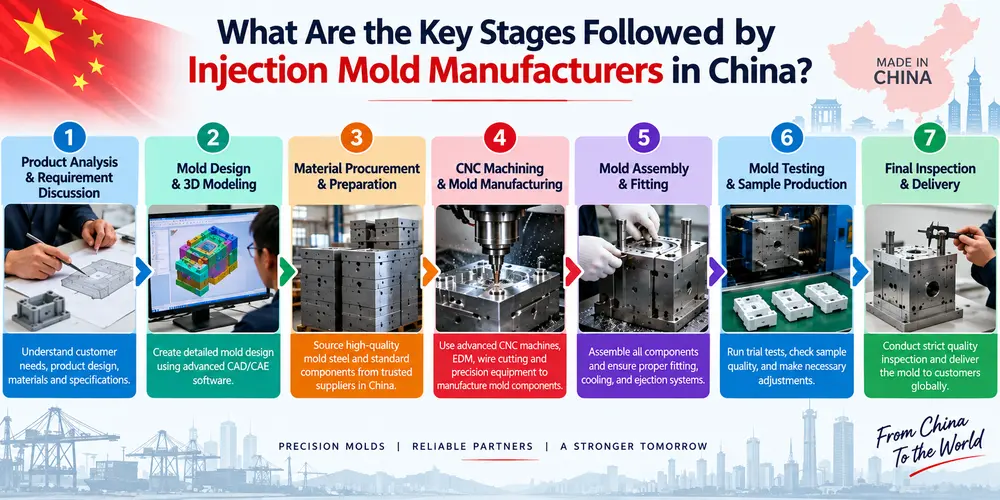
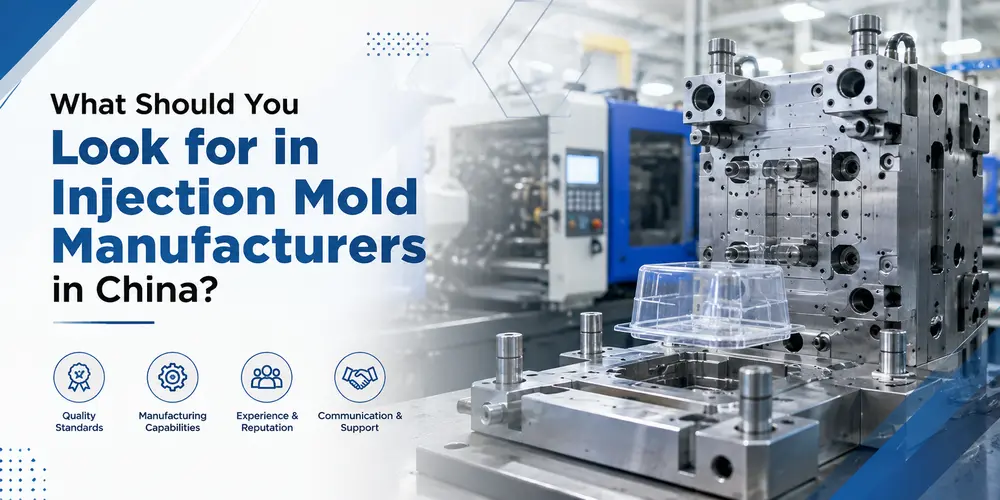
Die casting usually does not exist by itself, I mean it never does. Tooling quality really does affect part quality, and a lot of products end up mixing metal + plastic parts in the end. Because of that, many buyers prefer to team up with companies that understand the entire making pathway, not just the last step. If your project includes both aluminum die casting items and plastic components, working with experienced Injection Mold Manufacturers in China can make design, tooling, and production simpler, sort of under one roof. Usually this lowers the lead time, reduces those small miscommunication moments, and keeps the quality more consistent between the different kinds of parts.
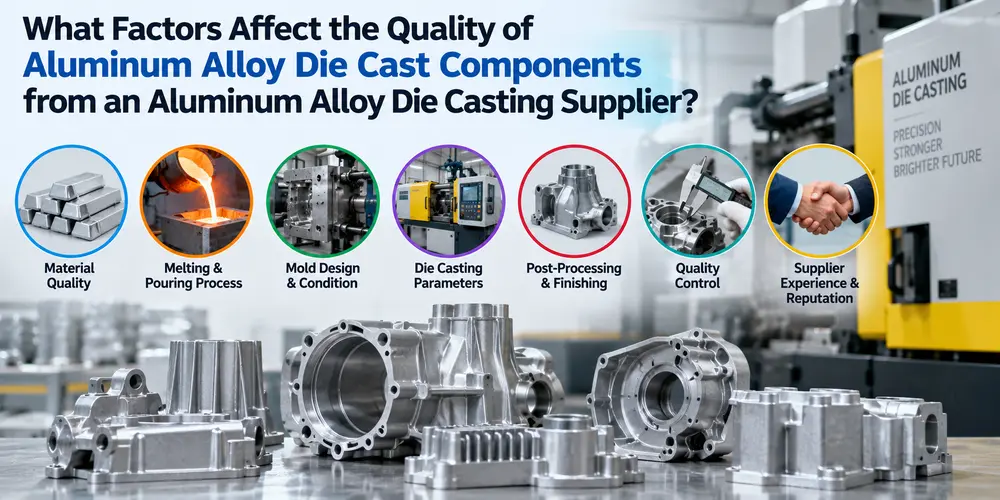
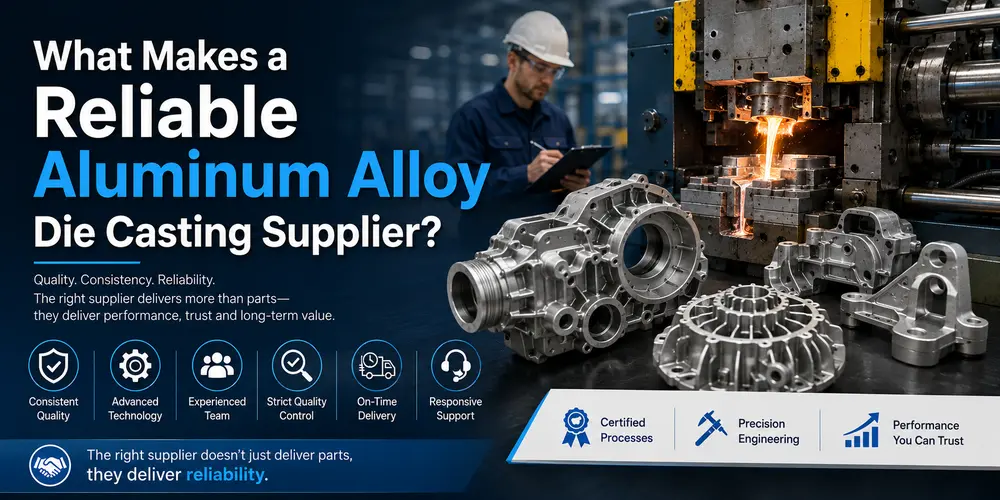
How to pick the right Aluminum die casting supplier
Before you sign anything, do a quick check on these things
- Engineering help: look for DFM analysis, mold flow simulation, and prototyping
- Tooling that is in-house: suppliers that make their own dies tend to control quality better and handle lead time in a steadier way
- Quality certifications: ISO 9001 and IATF 16949 are strong signs of controlled processes, especially if you are serving the automotive market
- Extra abilities: CNC machining, surface treatment, and assembly can reduce how many separate vendors you have to coordinate
- Testing and inspection: X-ray, CMM measurement, and leak testing are useful for confirming repeatability and reliability
- Communication and logistics: quick replies and real export experience matter a lot for international buyers, seriously
Picking the Right Aluminum Alloy Die Casting Supplier
Aluminum die casting now feels everywhere, automotive, electronics, and machinery work because it mixes low mass, strength, tight accuracy, and good scale. If you’re making EV battery housings, 5G enclosures, or industrial gearboxes, what you end up with really leans on who you choose as a manufacturing mate. A solid Aluminum Alloy Die Casting Supplier should bring the engineering know-how, tool making skills, and quality checks so your idea becomes consistent, dependable pieces. To talk about your next run, go to xiongzhigroup.com.
Frequently Asked Questions (FAQs)
1. What is the difference between aluminum and magnesium die casting?
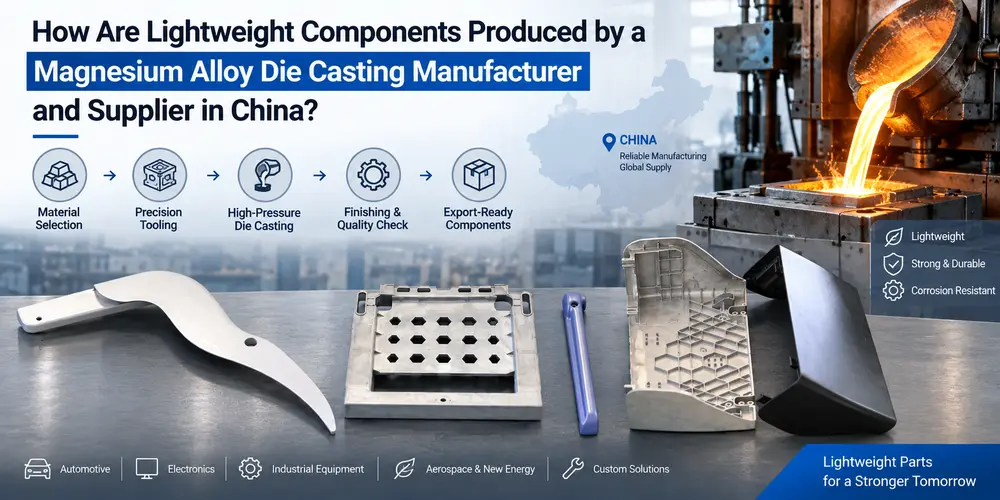
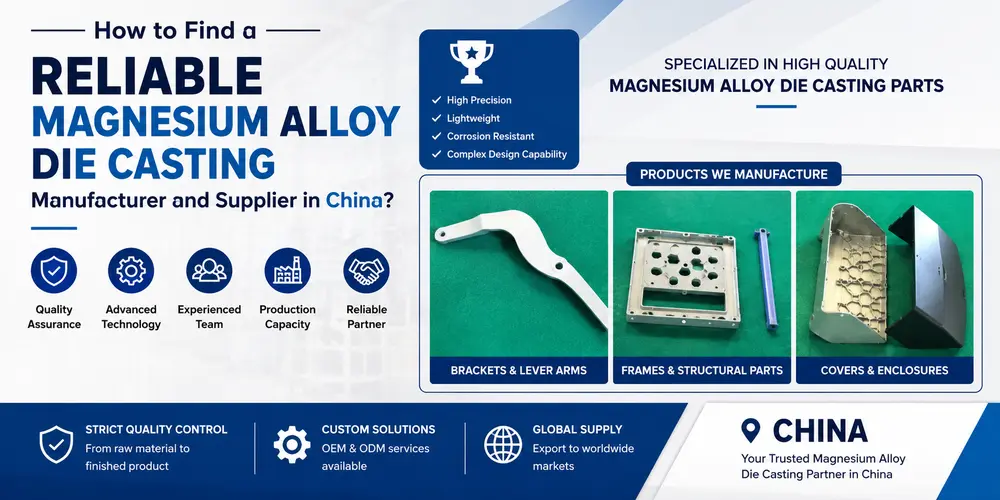
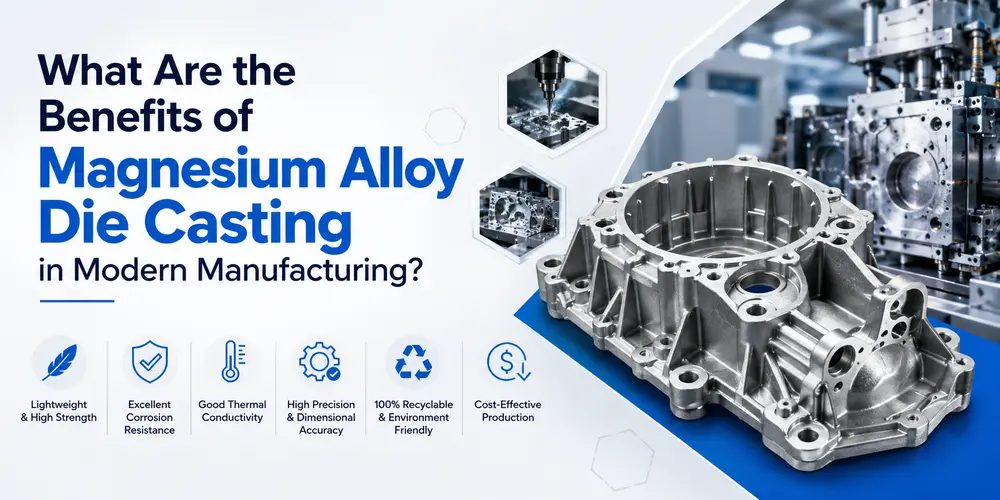
Aluminum tends to win for corrosion resistance, thermal conductivity, and cost performance. Magnesium is roughly 33% lighter, and it’s often the go-to for ultra lightweight parts. A Magnesium Alloy Die Casting Manufacturer and Supplier in China can basically help you weigh both choices against your specific use.
2. Which aluminum alloys are most common in die casting?
A380, A383, ADC12, and A360 show up a lot. The “best” pick depends on strength needs, corrosion behavior, and how intricate the part design is.
3. Is die casting cost-effective for small production runs?
Die casting tooling isn't cheap, so it’s usually smartest for medium to high volumes. For smaller batches, prototyping, or even swapping to other processes might be the smoother route.
4. What tolerances can aluminum die casting achieve?
For small details, typical tolerances land around ±0.05 to ±0.1 mm, tighter numbers are possible when you add secondary CNC machining, later on.
5. How long does it take to produce a die casting mold?
Depending on how complicated it is, the mold build often takes 4 to 10 weeks then you do sampling and get approvals.
6. What surface finishes are available for die cast parts?
You can choose things like powder coating, anodizing, sandblasting, polishing, plating, or e-coating. It really depends on the look you want, and how much protection the part needs.
7. Can die casting parts be machined after casting?
Yep. CNC machining is often used for threads, sealing areas, and any critical tolerance spots where it really matters.
8. How can I verify a supplier's quality?
Ask for certifications like ISO 9001 or IATF 16949, plus inspection documents, sample parts, and references from projects that are similar to yours.