- BaoZhu Str. 8, Economic Development Zone, XianAn District, XianNing City, 437000, Hubei Province, China


 XiongZhiGroup Co., Ltd
What Technologies Are Used by Injection Moulding Machine Manufacturers in China?
26
Sep 2026
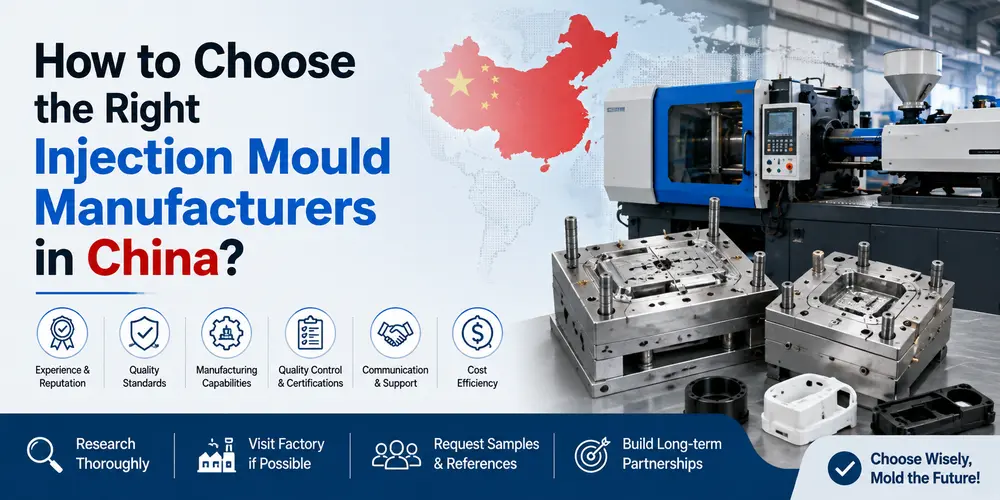
China sort of became the manufacturing hub of the world, and honestly nowhere that feels more real than the plastics plus metal component scene. Injection Moulding Machine Manufacturers in China have spent, like decades, polishing their methods, grabbing automation in a big way, and stitching in smart tech so they can ship components that line up with global quality, but still stay competitive on price. Sites such as xiongzhigroup.com (or something similar) have positioned themselves at the front of this shift, they don’t only sell machines, they often pitch complete manufacturing packages, including precision mold design and fabrication services, and yeah, that “end-to-end” angle is a big part of why buyers stay interested. If you understand what’s powering the industry, then buyers, engineers, and business owners can make less guesses when they’re sourcing from Chinese suppliers.
The Evolution of Injection Moulding Technology in China
Around twenty years back, Chinese injection moulding machines were seen as budget options, with quality that could be inconsistent. This idea changed fast. Now modern Chinese manufacturers funnel serious money into research and development, servo-driven hydraulic systems, and computer-aided engineering, so they can compete directly with European and Japanese machine builders. It wasn’t random at all, it’s basically the result of long-term investment in automation, material know-how, and precision engineering. Today’s systems typically run on high-rigidity frames, closed-loop control setups, and advanced hydraulic, or all-electric drive systems that cut cycle time while also making repeatability better. With that change, equipment built in China often turns into the go-to choice across automotive, and consumer electronics too.
Key Technologies Used by Modern Manufacturers
1. Servo-Driven and All-Electric Systems
One of the more major jumps is moving away from older hydraulic layouts toward servo-driven, and fully electric injection moulding machines. These designs can bring serious energy savings, like 30-70% less power use compared to conventional hydraulic machines, but they also improve precision in clamping force, plus injection speed. All-electric machines are especially common when people need high-precision outputs, like medical devices, connectors, and optical components, where tolerances are so tight they’re basically unforgiving.
2. Computer-Aided Design and Simulation Software
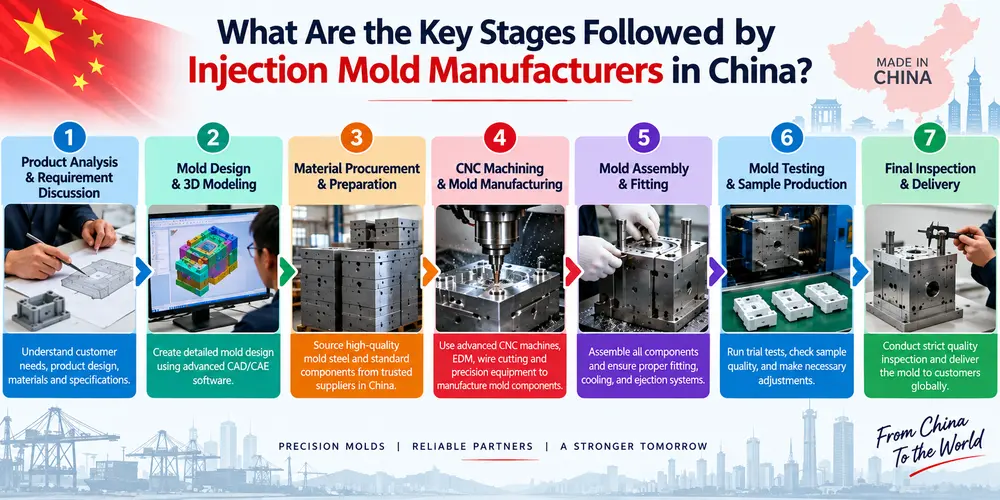
Before any mold gets cut, most solid manufacturers lean on CAD/CAM tools and mold flow analysis to estimate how molten plastic will behave inside the cavity. That simulation step flags likely issues, such as warping, sink marks, or air traps, before the tooling even starts. So it saves both time and material costs. This simulation approach also spreads across the broader tooling workflow, and many leading Injection Mold Manufacturers in China now treat simulation like a mandatory step, not some optional add on.
3. Automation and Robotic Integration
Since labor costs in China keep rising, factories keep turning to robotic arms, automated part removal, and full conveyor-style setups. Robots handle things like insert placement, part ejection, quality checks, and even packaging, and they’re timed with the injection cycle using programmable logic controllers (PLCs). The result is fewer human mistakes, higher throughput, and plants can run longer shifts, sometimes even “lights-out” overnight.
4. Real-Time Monitoring and Industry 4.0 Integration
Smart production lines, using IoT sensors can keep an eye on machine temperature, pressure, cycle time and energy draw in real time. This continuous data stream goes into dashboards, and it can nudge operators about anomalies before they turn into expensive defects or unplanned downtime. After that predictive maintenance algorithms do the heavy work, they chew through the information and set up maintenance windows ahead of an actual breakdown, so the machine lifespan is extended, and the surprise stoppages fall.
5. Multi-Material and Multi-Shot Moulding
More advanced machines can support two-shot or multi-shot moulding, letting manufacturers combine different materials, or different colors, into one finished piece without needing extra assembly steps. It shows up a lot in soft-touch grips over hard plastic housings, and also for setups where rigid and flexible parts need to live together inside a single automotive component.
6. Precision Tooling and Metal Die Casting Integration
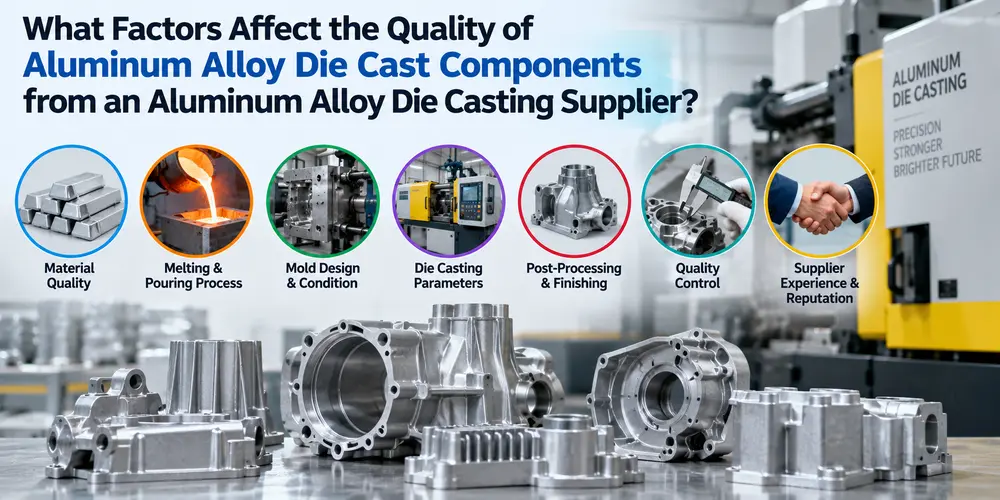
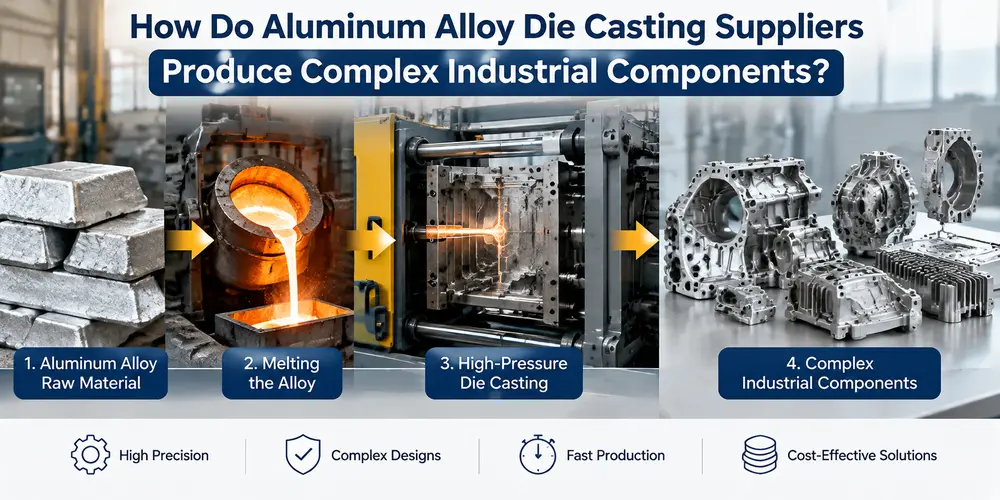
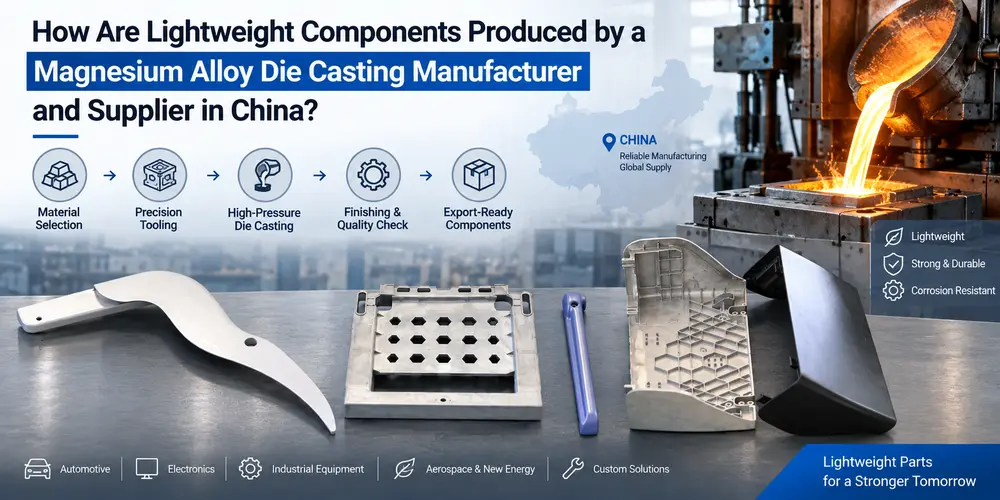
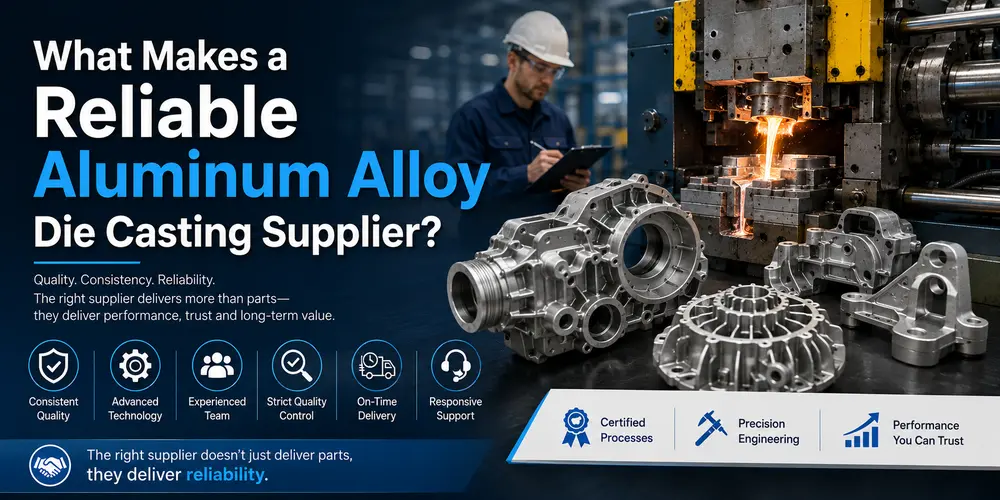
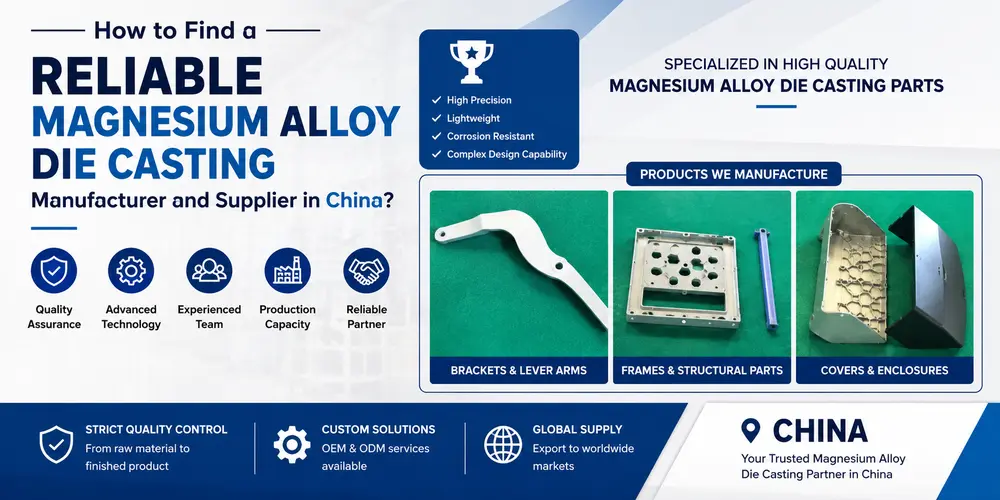
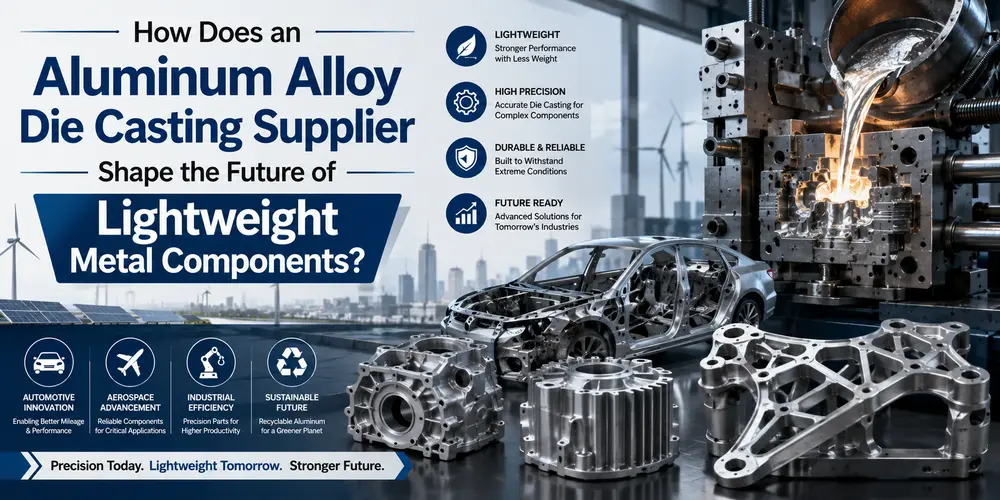
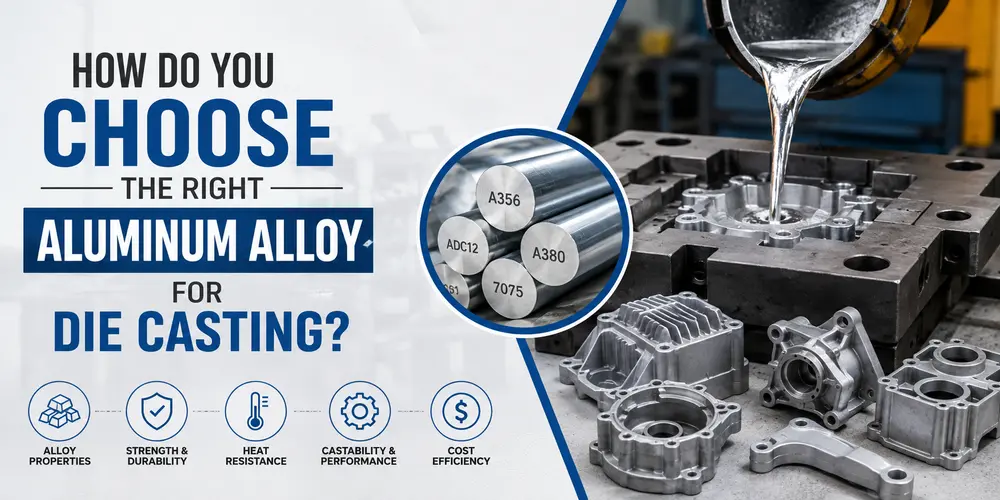
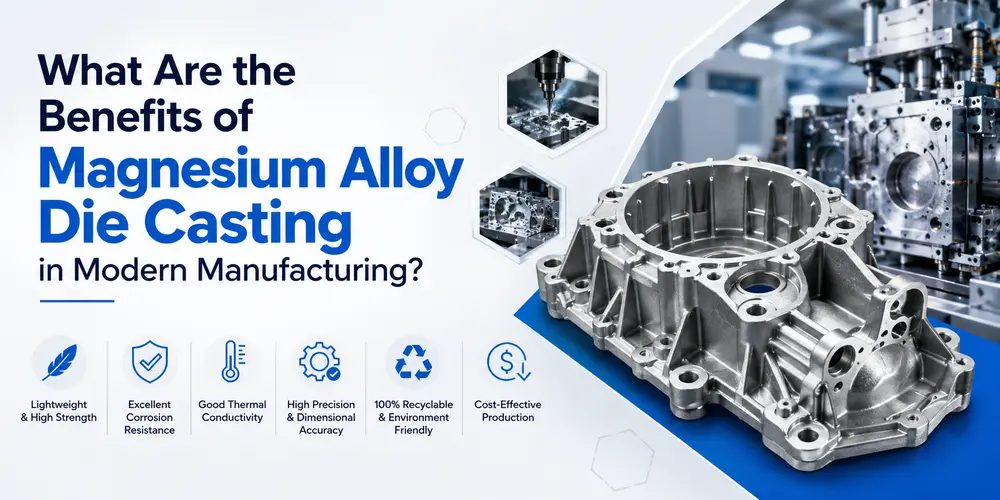
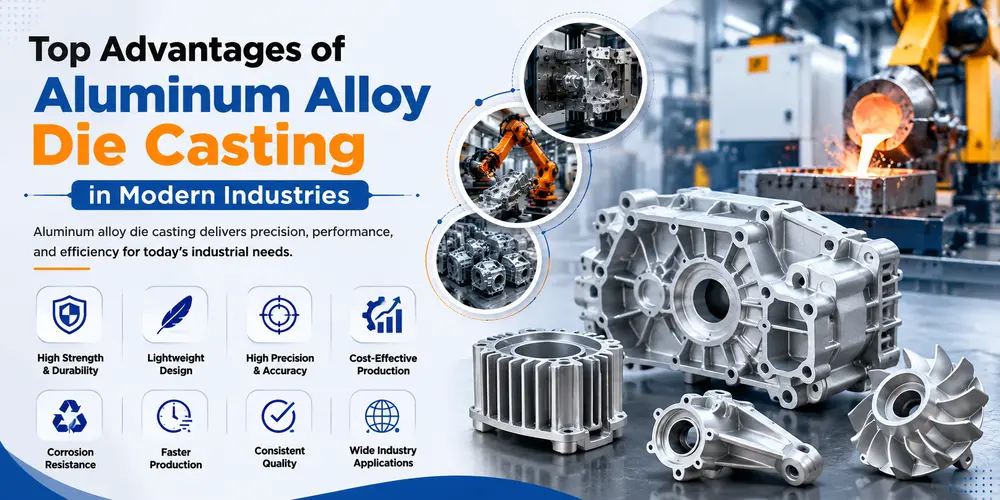
Injection molding usually doesn’t stay alone by itself. Many manufacturers now bundle complementary metal forming services, like metal die casting, under one roof. For example, one facility may run as an Aluminum Alloy Die Casting Supplier next to its plastics division, so customers can source hybrid assemblies, such as a plastic housing paired with die-cast metal brackets or frames, from a single vendor. This kind of vertical integration shortens the supply chain, and it strengthens quality control because one company oversees nearly the whole production flow. And when the goal is lightweight yet strong parts, it’s also common to work with a Magnesium Alloy Die Casting Manufacturer and Supplier in China. That shows up in aerospace, automotive, and consumer electronics, where cutting weight is key but the structure still has to stay credible.
7. Advanced Mold Steel and Surface Treatment
Even the molds are getting smarter. High-grade tool steels, vacuum heat treatment, and nitriding processes expand mold life a lot, so tools can often run millions of cycles without major wear. Surface options like mirror polishing, texturing, and laser engraving are now pretty standard, meaning finished parts can get the cosmetic surface people expect for consumer-facing products.
Choosing the Right Injection Moulding Machine Manufacturers in China
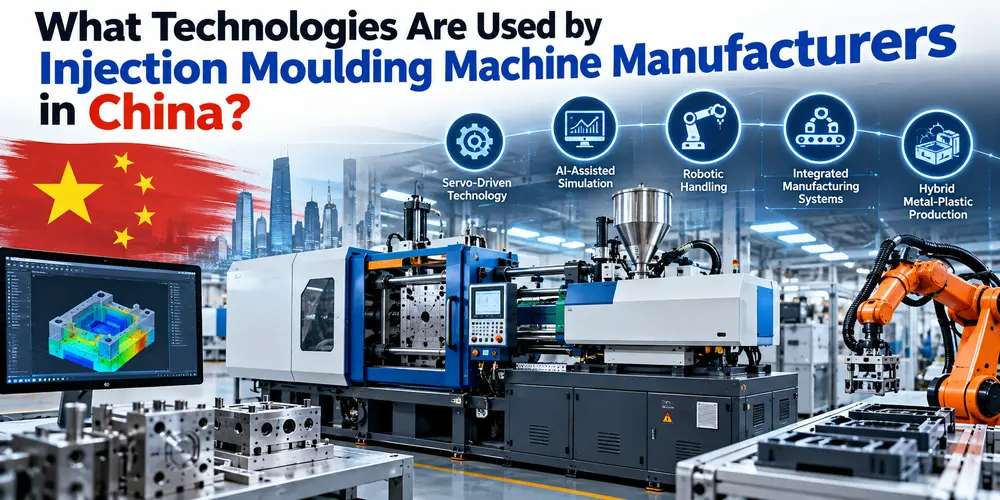
The whole tech world around injection moulding machine manufacturers in China has kinda leveled up, it’s not just “machines” anymore, it’s more like precision engineering, automation, and these integrated manufacturing systems that all talk together. You can see servo-driven setups, AI-assisted simulation, robotic handling, and even hybrid metal-plastic production lines. In a lot of ways Chinese manufacturers have narrowed the gap with Western and Japanese brands, yet they still keep their pricing competitive. If you partner with a solid name like xiongzhigroup.com, buyers can tap into plastics, tooling, die casting mold design services, and die casting, all in one place, which usually makes sourcing less messy and keeps product consistency steadier across the whole supply chain.
Frequently Asked Questions
1. What is the main advantage of all-electric injection moulding machines?
All-electric machines tend to deliver better energy efficiency, tighter control and more accuracy, plus quieter running compared with older hydraulic systems. That makes them really suitable for tight-tolerance work
2. How do Chinese manufacturers make sure mold quality is solid before production?
Most reputable makers rely on mold flow simulation software to foresee possible defects and then tune the cooling path layout before any steel is cut. That part saves time later, and usually prevents headaches
3. Can one supplier handle both plastic and metal components?
Yes, plenty of facilities now blend injection moulding with die casting services, so you can get hybrid plastic–metal assemblies from basically a single production line, not two separate worlds
4. What industries benefit most from magnesium alloy die casting?
Aerospace, automotive, and electronics are usually the big winners, mainly because magnesium is lightweight but still durable, even under demanding conditions
5. Is automation common in Chinese moulding factories today?
Yes, robotic arms and automated material handling are now pretty standard in many mid to large scale plants. It helps cut labor costs and improves consistency, like day-to-day repeatability
6. How long does mold tooling typically last?
With proper heat treatment, plus good surface finishing, high-grade steel molds can last anywhere from several hundred thousand, up to a few million production cycles. Depends on part complexity though
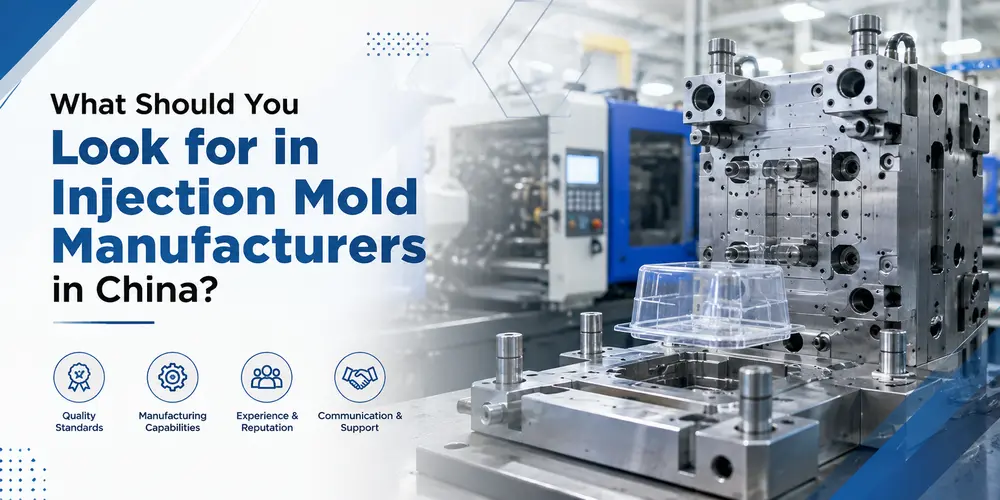
7. What should I look for when choosing an injection mold manufacturer?
Check for in-house design ability, evidence they use simulation software, clear quality certifications, and a history of successful international shipping. That usually tells you how mature the operation is
8. Does multi-shot moulding increase production costs?
The multi-shot molds cost more upfront for sure, mainly because tooling is more complex. But it can remove secondary assembly steps, and at scale that often lowers the overall per-unit cost, so it balances out.