- BaoZhu Str. 8, Economic Development Zone, XianAn District, XianNing City, 437000, Hubei Province, China


 XiongZhiGroup Co., Ltd
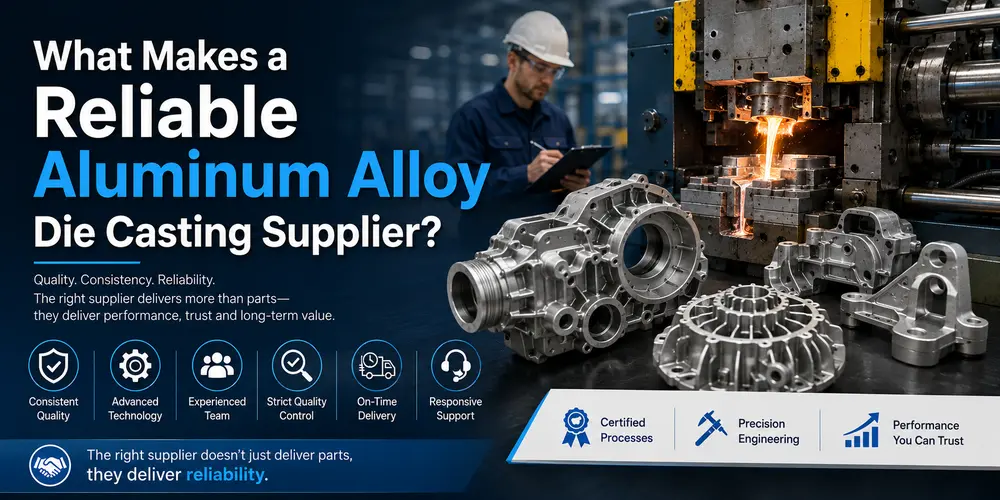
What Makes a Reliable Aluminum Alloy Die Casting Supplier?
02
Sep 2026
When a business decides to scale up production of metal components, picking the right Aluminum Alloy Die Casting Supplier becomes one of those “small choice, big consequences” things. A dependable partner not only ships parts, they keep things steady, more exact, and still provide that long-run value so your production line stays busy with no annoying surprises. In this write-up, we’ll talk through the traits that usually show up on a genuinely reliable supplier, vs the ones that basically shine only on paper.
What Makes a Reliable Aluminum Alloy Die Casting Supplier?
1. Proven Manufacturing Expertise
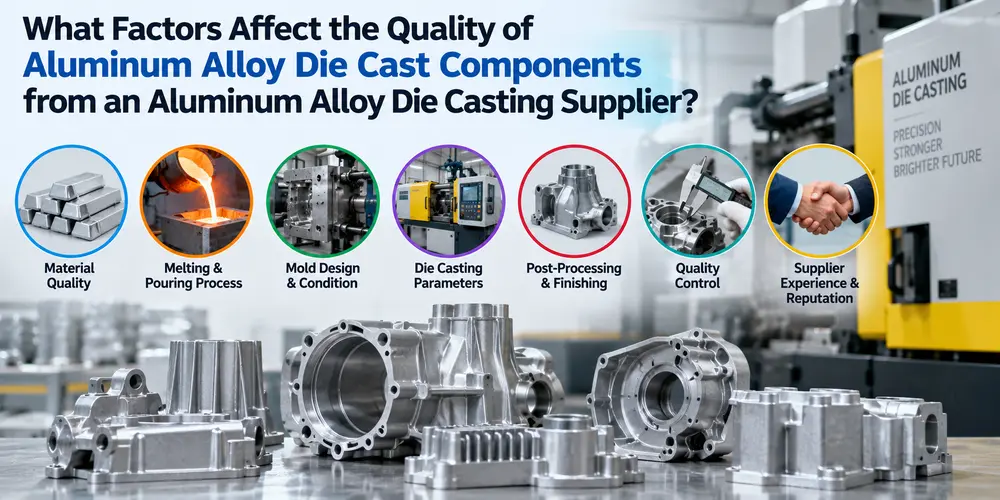
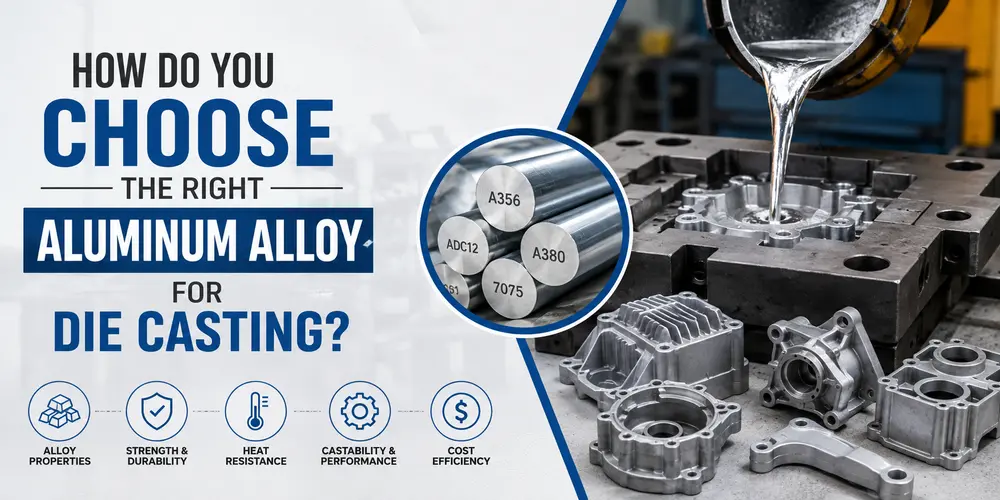
A real Aluminum Die Casting Manufacturer normally has years of working in the trenches with multiple aluminum alloys A380, A413, ADC12, and so on since each one fits different mechanical demands, heat behavior, and corrosion-resistance needs. This experience matters because die casting isn’t “one process fits all.” Wall thickness, cooling speed, the gate design, and the alloy makeup all tangle together, in ways that can be hard to predict unless engineers have done it a lot. When you’re checking a manufacturer, ask how long they’ve been operating, what kinds of industries they’ve served like automotive electronics, lighting, industrial equipment, and whether they handle in-house tooling as well as mold design. A supplier that designs and improves their own dies often makes more accurate parts with fewer defects, than someone who hands off tooling completely.
2. Strong Quality Control Systems
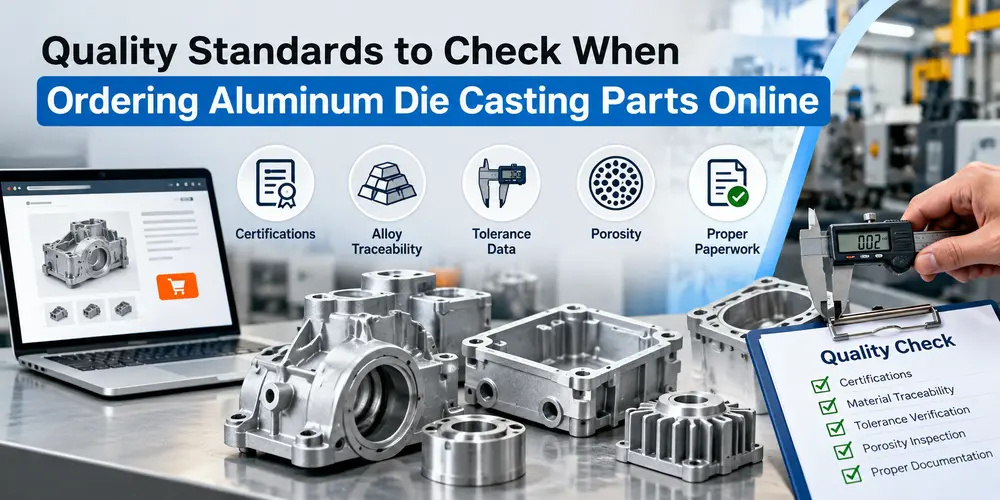
In die casting, reliability equals repeatability. A solid Aluminum Die Casting Company typically runs documented quality management systems ISO 9001 is a decent starting benchmark—plus ongoing inspection, and methods like X-ray or CT scanning to catch internal porosity, plus dimensional checks using CMM (coordinate measuring machines). Also ask how they deal with first-article inspection, PPAP paperwork, and whether they use statistical process control. If they can show real inspection reports and traceability records, that’s usually a far better sign than hearing “high quality” with no evidence behind it.
3. Transparent Communication and Responsiveness
Bad communication is one of the biggest hazards when you’re working across borders, or even across different time zones. A reliable partner should answer RFQs quickly, handle technical questions clearly, and send production updates on schedule. If you’re dealing with an Aluminum Die Casting Exporter, time differences plus language barriers can slow everything down unless the company has a dedicated export or customer service team. You want suppliers who name one main point of contact for your account, share regular status updates, and are honest about lead times, MOQs, and possible delays rather than only sending messages when everything is going perfectly fine.
4. Full-Service Capability From Prototyping to Mass Production
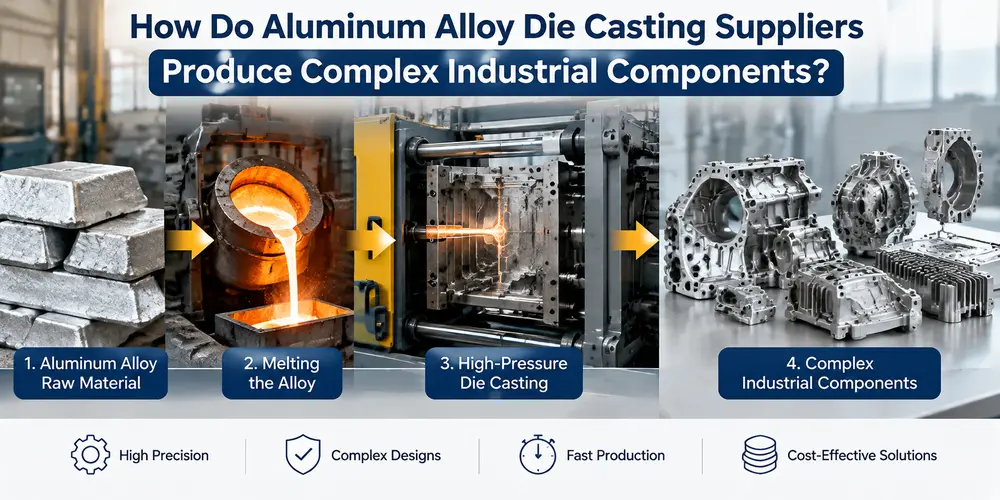
The best Aluminum Die Casting Parts Supplier doesn’t stop at casting. They help across the entire product journey. That can include DFM (Design for Manufacturability) input while your design is still being shaped, rapid prototyping, secondary machining, surface treatments like powder coating anodizing, electroplating, and even final assembly if it’s required. When this is done end-to-end, you generally manage fewer vendors, and your supply chain tends to be shorter and less chaotic. There are also fewer “handoff errors” between steps, because the same facility handles everything under consistent quality standards.
5. Customization and Engineering Support
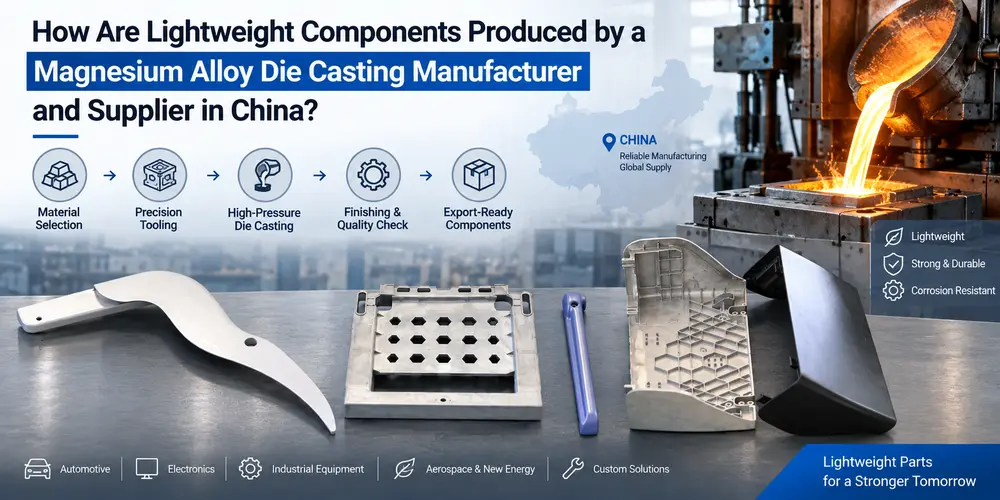
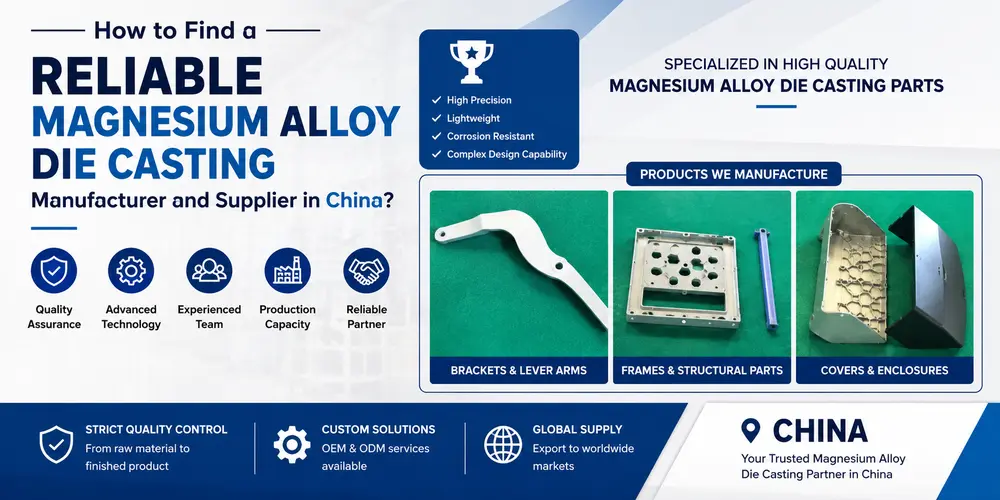
Every job comes with its own specs, so a Custom Aluminum Die Casting Manufacturer should be ready to adapt. This includes tooling that can flex, the ability to work directly from your CAD files, or reverse-engineer from a sample part. It also means having engineering teams who can suggest smarter changes often to reduce cost, cut weight, or improve cycle time. Whether you’re ordering a small batch custom run or going for high-volume output, the supplier should be able to scale without ruining tolerances, or messing up the surface finish. On top of aluminum, many manufacturers now also evaluate alternative lightweight metals. If your project wants even lighter components but still needs great strength-to-weight ratios, it’s worth asking if your supplier operates as a Magnesium Alloy Die Casting Manufacturer and Supplier in China too. When a company supports both aluminum and magnesium die casting from the same operation, you can switch materials as your needs evolve, without having to qualify a totally new vendor again later.
6. Competitive Pricing Without Sacrificing Quality
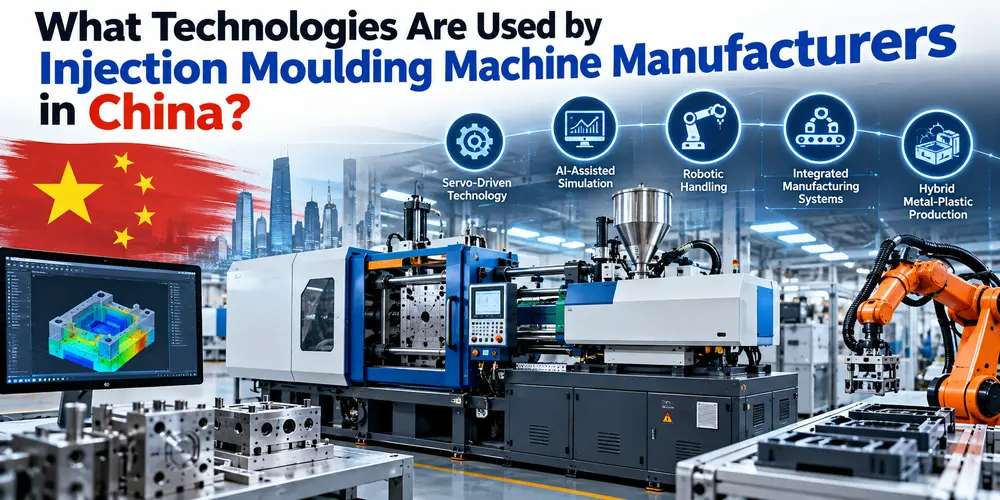
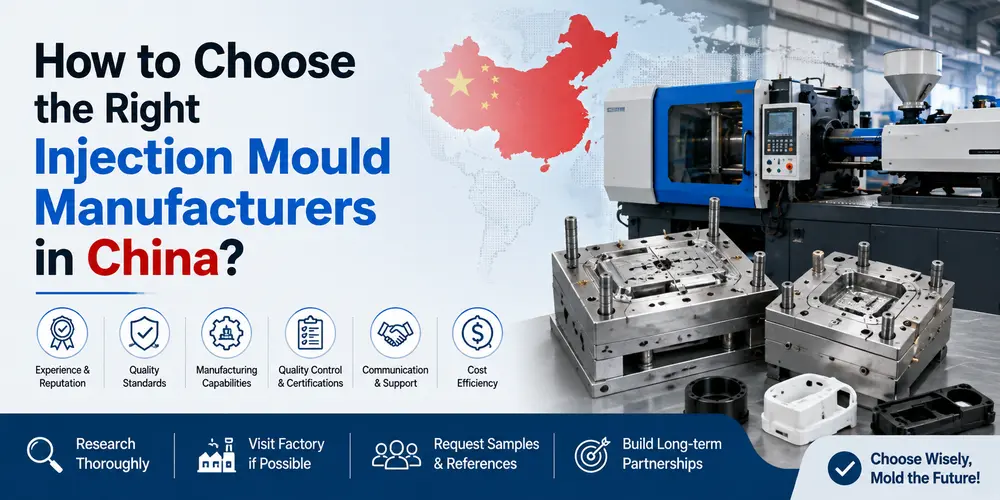
Pricing matters, but the lowest number on the quote is not automatically the best choice. A dependable supplier should break pricing down clearly tooling cost, per-unit part cost, and any secondary processing charges. Be careful with suppliers that undercut the market too aggressively, because that can be a sign of corners being reduced: alloy quality, wall thickness tolerance control, or even inspection depth. Instead, aim for a balance: fair pricing with a clear breakdown, plus proof they deliver on time. Many manufacturers also branch into related capability areas, like Injection Moulding Machine Manufacturers in China, because broader manufacturing knowledge often translates into deeper understanding of tooling, materials, and process control.
Find Quality And Precision With A Trusted Aluminum Alloy Die Casting Supplier
Picking the right Aluminum Alloy Die Casting Supplier is never just about chasing price numbers, it’s more like finding a team with real know-how, solid quality routines, quick replies, and some actual adaptability to carry your product from a rough prototype stage into mass production, smoothly. If you’re looking for a dependable, seasoned, full-service Aluminum Alloy Die Casting Supplier, xiongzhigroup.com brings manufacturing know-how, dependable quality management, and export experience that can help you meet production targets more reliably, and with less back-and-forth.
Frequently Asked Questions (FAQs)
1. What is aluminum alloy die casting used for?
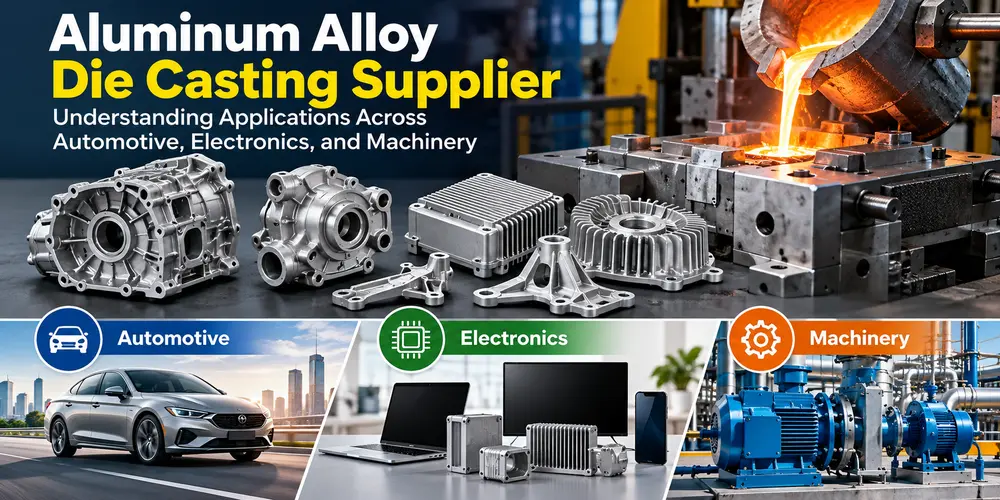
Aluminum alloy die casting is widely used for making lighter yet durable parts for automotive applications, electronics boxes, lighting fixtures, industrial devices, and everyday consumer items where precision counts and the strength-to-weight ratio has to stay impressive.
2. How do I pick a reliable aluminum die casting supplier?
I’d start by looking for real industry experience, ISO recognition, and a very clear quality checking approach. Also, steady communication matters, like updates that are consistent and not “mystery delays”. Finally, make sure they can support your work from early prototyping through large scale production output, not only the final casting step.
3. What’s the difference between aluminum and magnesium die casting?
Aluminum usually brings a balanced mix of strength, cost control, and corrosion resistance, so it fits lots of everyday to industrial needs. Magnesium is often lighter by design, and it’s usually chosen when weight reduction is the main priority, like in aerospace or high-performance automotive builds.
4. Can a die casting supplier also provide injection molding equipment?
Yes, some manufacturers work across both worlds, so you can get die casting services together with injection molding machines. This can be helpful if you want multiple manufacturing steps handled under one roof, instead of coordinating several separate vendors.
5. What alloys are commonly used in aluminum die casting?
You’ll often see A380, A413, and ADC12. The specific alloy choice depends on the part’s mechanical requirements, how the part should behave against corrosion, and what thermal performance is expected during use.
6. What is the typical lead time for custom aluminum die casting projects?
Lead time depends on tooling complexity, the order quantity, and whether any secondary processing is required. In general, prototypes can be arranged in a few weeks, while full production runs may stretch out for several additional weeks.
7. Do die casting suppliers handle export and international shipping?
Many reputable exporters handle customs paperwork, protective packaging, and logistics coordination. They typically offer sea freight or air freight depending on how urgent delivery is, and also on how large the order becomes, so you get options without scrambling later.
8. Can I get custom tooling made for my specific part design?
Yes, most professional die casting manufacturers can design custom tooling, and they often include DFM feedback too. That helps refine the part for smoother manufacturability, stronger cost effectiveness, and more reliable performance once production begins.