- BaoZhu Str. 8, Economic Development Zone, XianAn District, XianNing City, 437000, Hubei Province, China


 XiongZhiGroup Co., Ltd
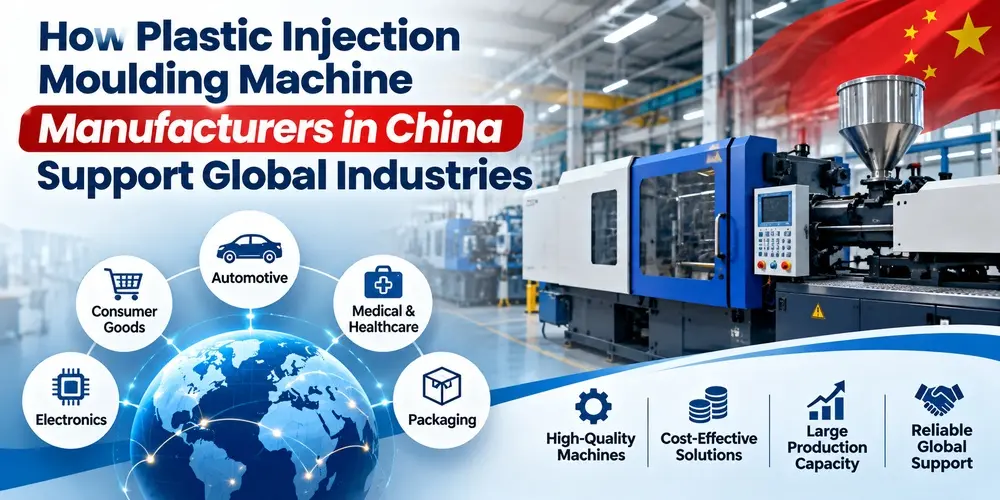
How Plastic Injection Moulding Machine Manufacturers in China Support Global Industries
05
Nov 2026
From the phone in your pocket to the car you drive, plastic parts are everywhere, or at least it feels like it. Behind most of those little bits there is a strong manufacturing web, and Plastic Injection Moulding Machine Manufacturers in China are a big part of that too. Over the last two decades, Chinese factories moved from low-cost suppliers, to trusted partners for global brands. Some companies like xiongzhigroup.com offer whole setups that cover machines, moulds, and even metal casting, all under the same roof. In this blog, we’ll quickly look at how these manufacturers back industries all over the world, and why so many buyers pick them in the first place.
Strong Machines for Every Industry
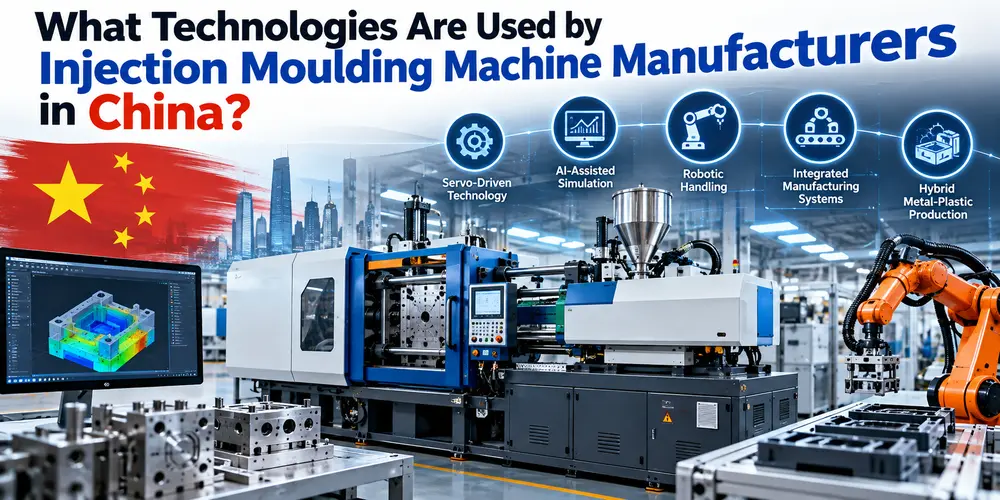
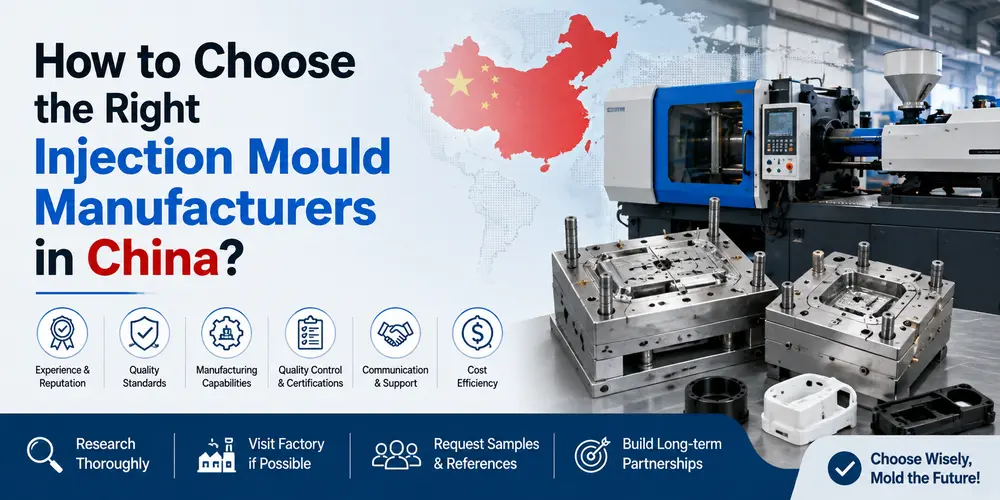
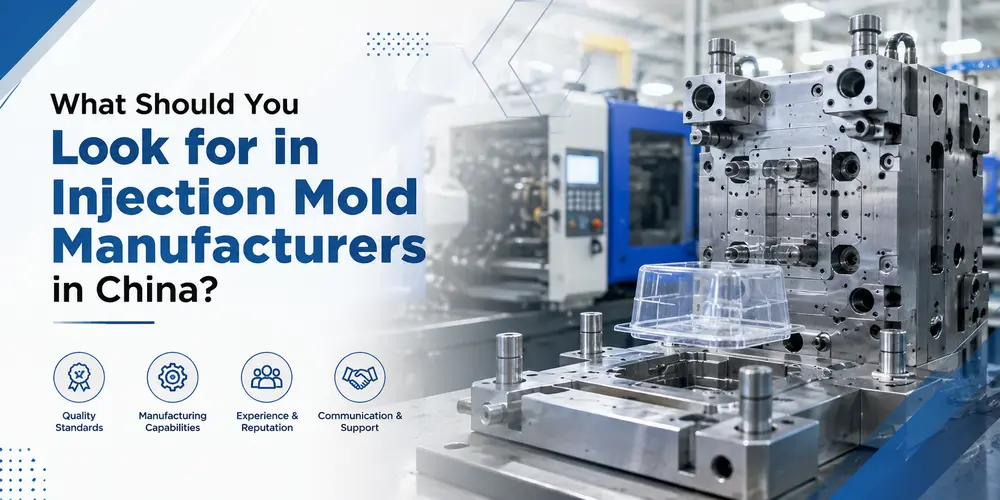
One main reason global buyers choose China is the huge range of machines on hand. Injection Moulding Machine Manufacturers in China build equipment from smaller 50-ton models to massive machines above 3,000 tons. So yeah, a small workshop making bottle caps can sit next to a big plant making car bumpers, and both can still find something that fits. A lot of modern Chinese machines come with servo-driven systems, which can cut energy use by about 30 to 60 percent versus older hydraulic models. Plus they usually add touchscreen controls, careful temperature settings, and quicker cycle times. For buyers, this often means lower electricity costs, and more output. And then there is customization. Many manufacturers adjust clamping force, screw design or shot size so it matches your product. That kind of flexibility, at a similar price, is not always easy to find elsewhere.
Reliable Injection Mold Supplier in China
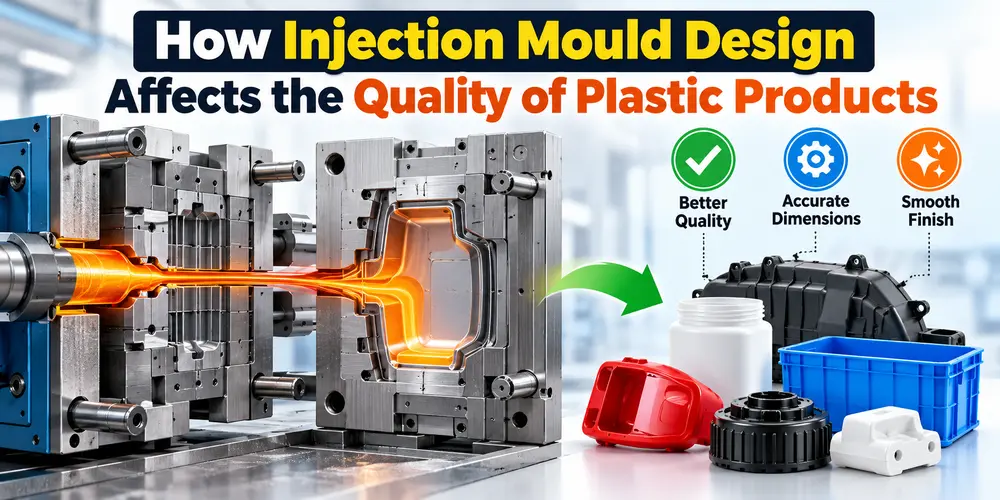
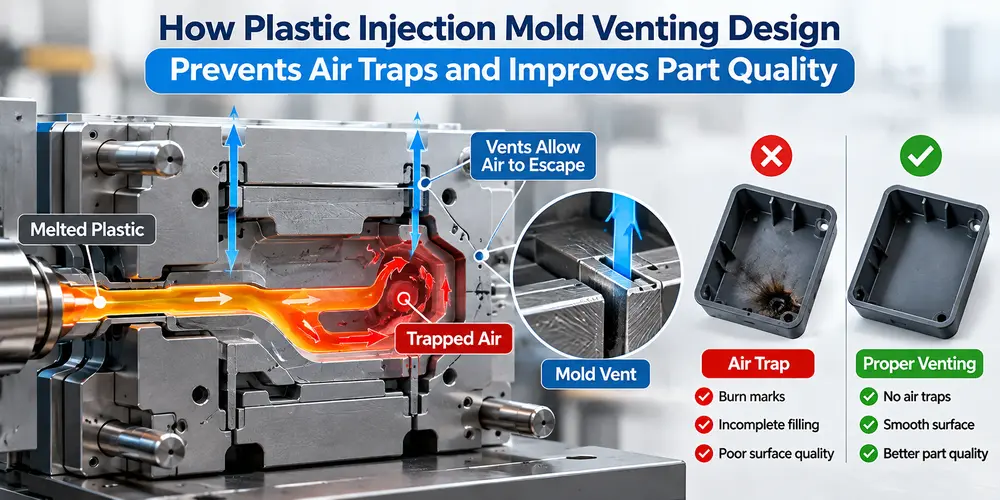
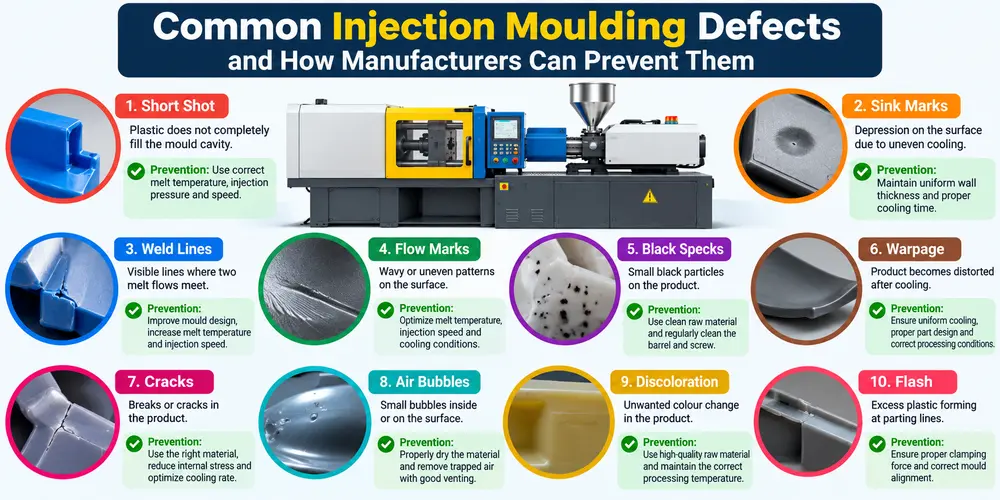
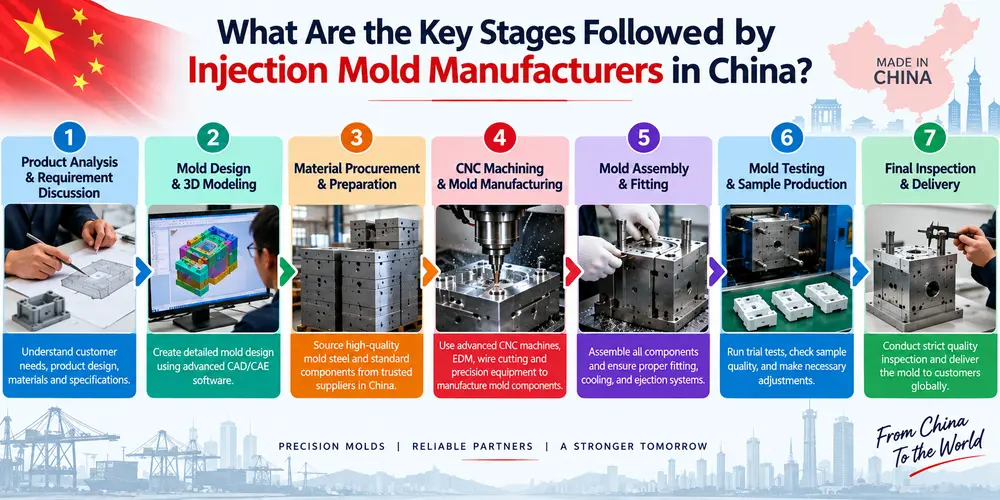
But a machine is only half of the story, the mould does the heavy work on the shape, quality and final finish of the part. That is why a dependable Injection Mold Supplier in China matters a lot for global industries. Chinese mould makers use things like advanced CNC machining, EDM, and high-speed milling, to make moulds with tight tolerances. They can build single-cavity moulds for prototypes or multi-cavity moulds for mass production. Also, the lead time is often faster. A mould that might take 12 weeks in Europe, can sometimes be ready in 4 to 6 weeks in China, depending on complexity. A lot of suppliers also bring design support. Engineers review your 3D drawing, suggest updates to reduce problems like warping or sink marks, and even do trial samples before shipping. When the mould supplier and the machine maker work together, like they do at xiongzhigroup.com, production tends to feel smoother and surprises happen less.
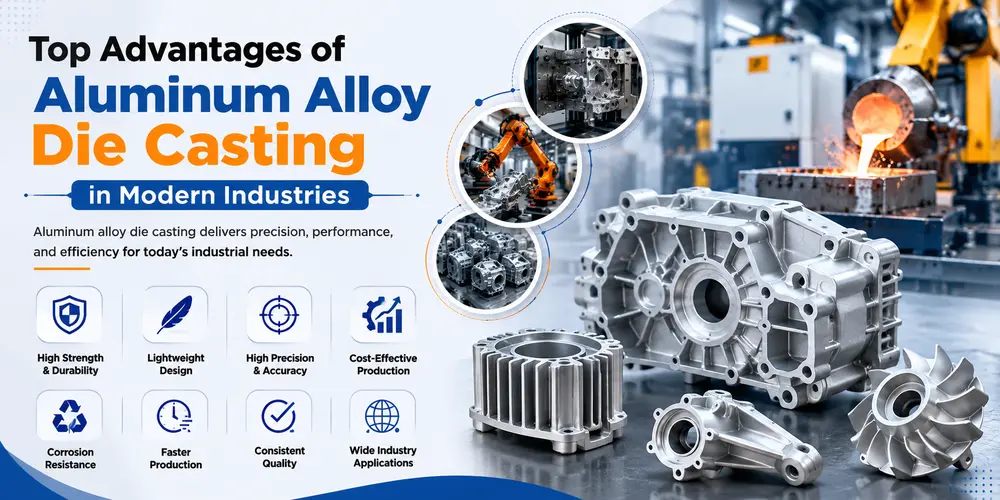
Aluminum Alloy Die Casting Manufacturer for Lightweight Parts
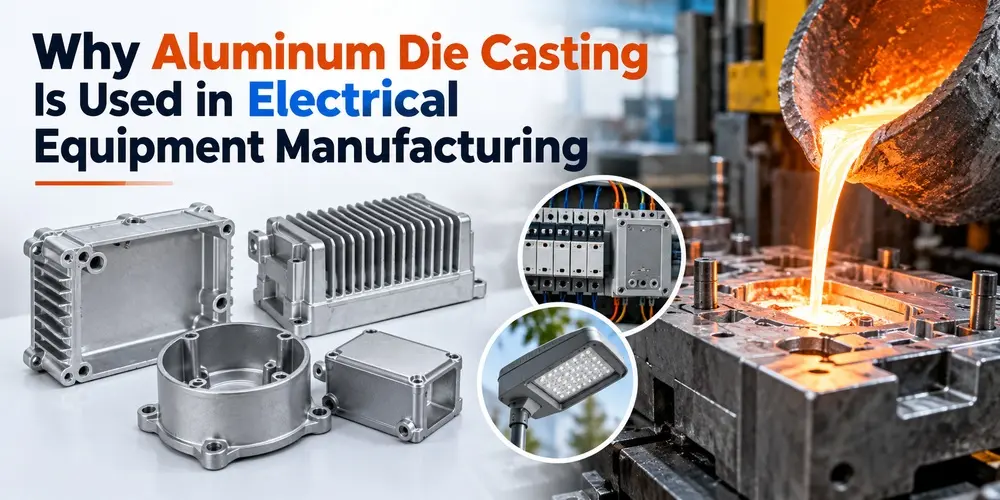
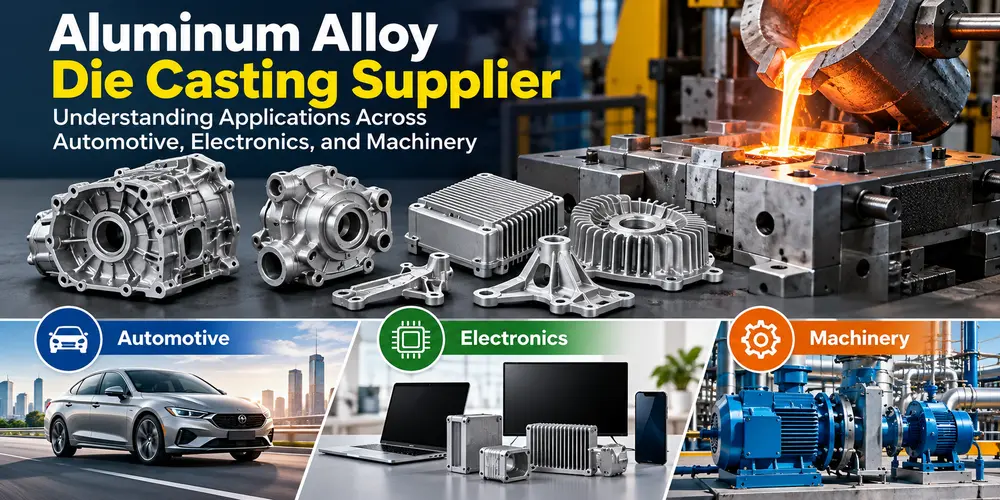
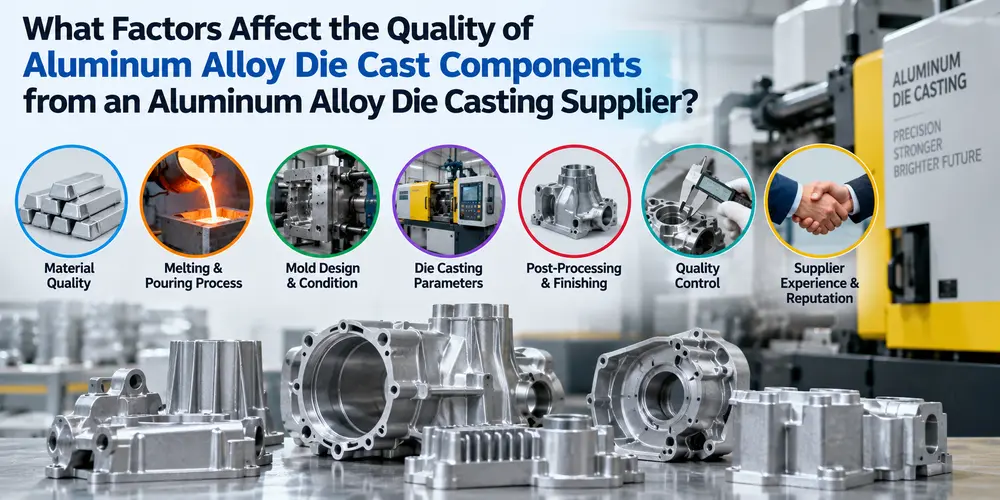
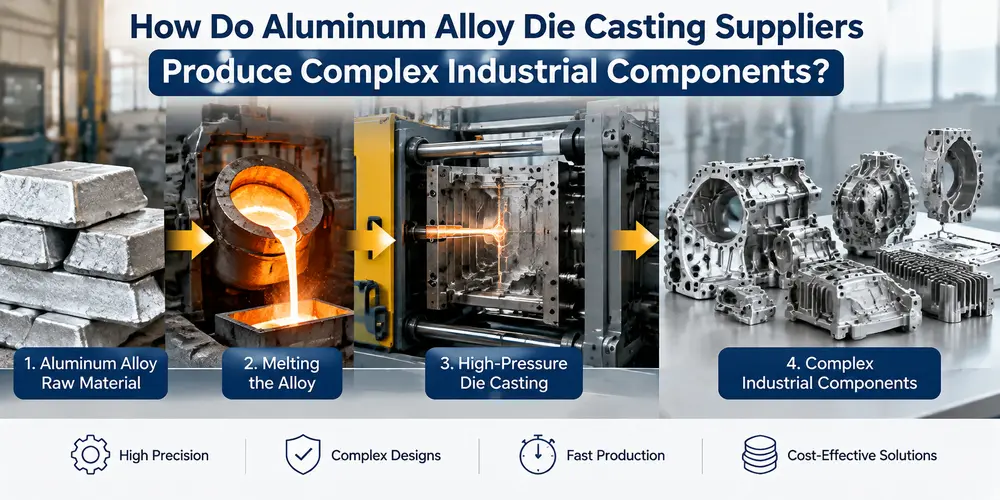
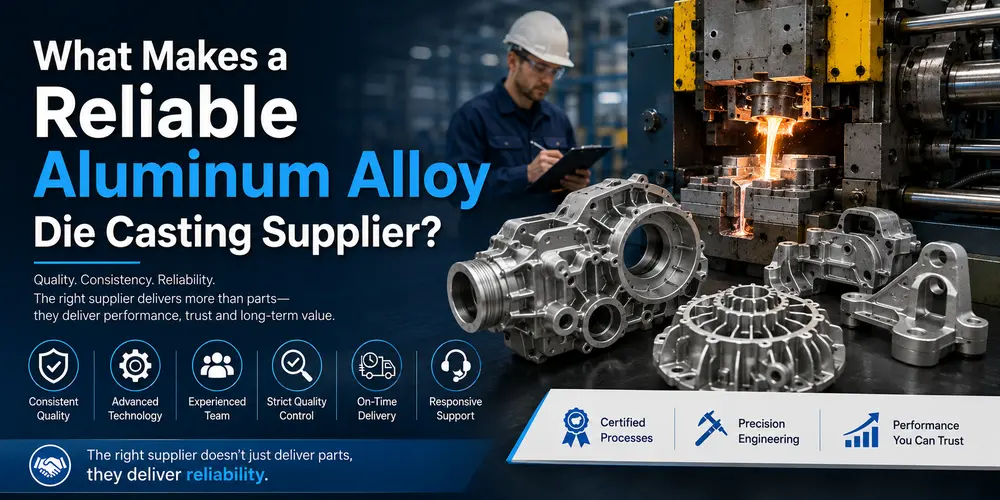
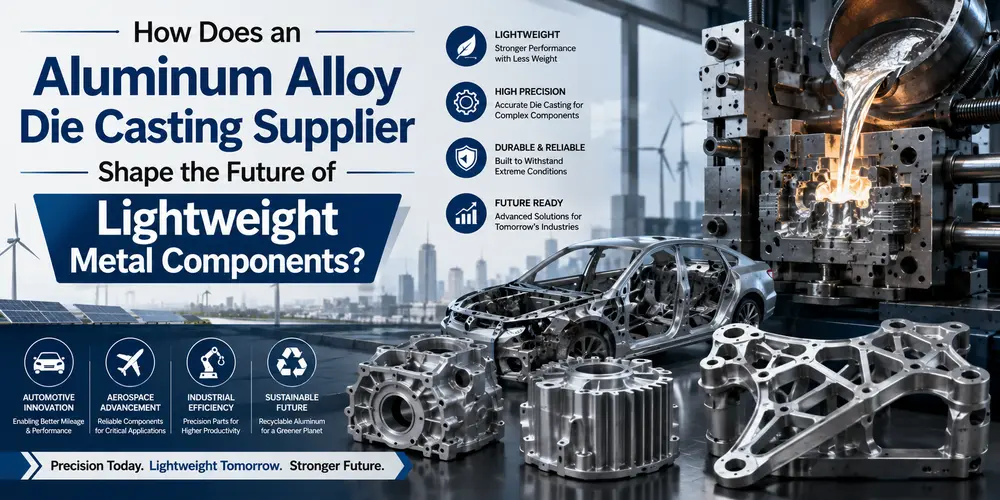
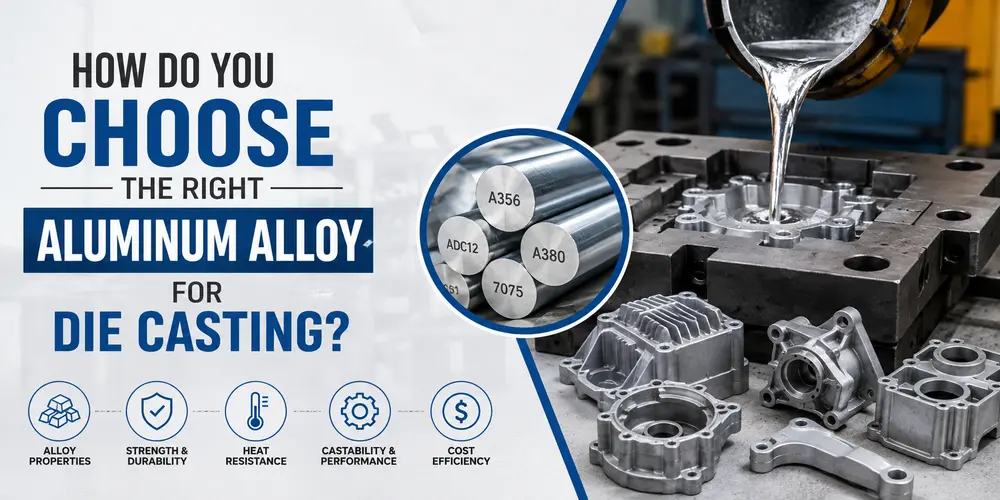
Plastic is not the only material that matters here. A lot of industries need metal parts that are strong but still lightweight, and that is where an experienced Aluminum Alloy Die Casting Manufacturer becomes important.
Aluminum is light, resists corrosion, and handles heat pretty well. Because of that, it is often used in:
- Automotive engine housings and brackets
- LED lighting and heat sinks
- Telecom and 5G equipment
- Power tools and home appliances
In China, die casting factories often use high-pressure machines to make complex shapes with smooth surfaces. Many also offer finishing services like powder coating, anodizing and CNC machining, so you end up with a part that’s more ready to assemble rather than “almost” ready.
Magnesium Alloy Die Casting Company in China for Premium Products
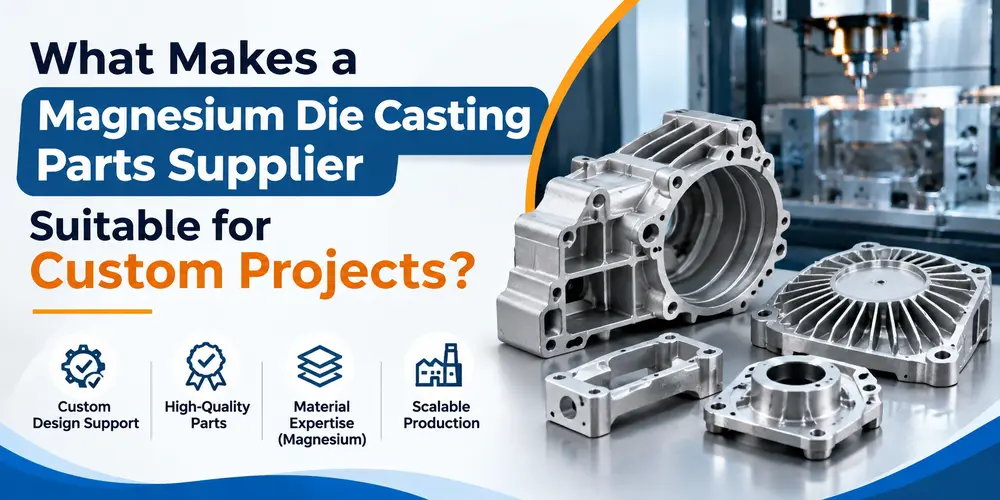
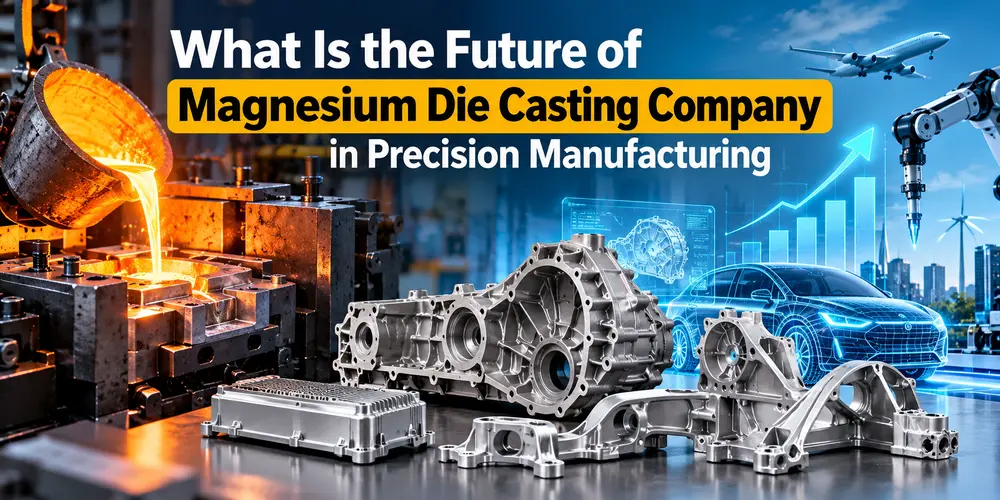
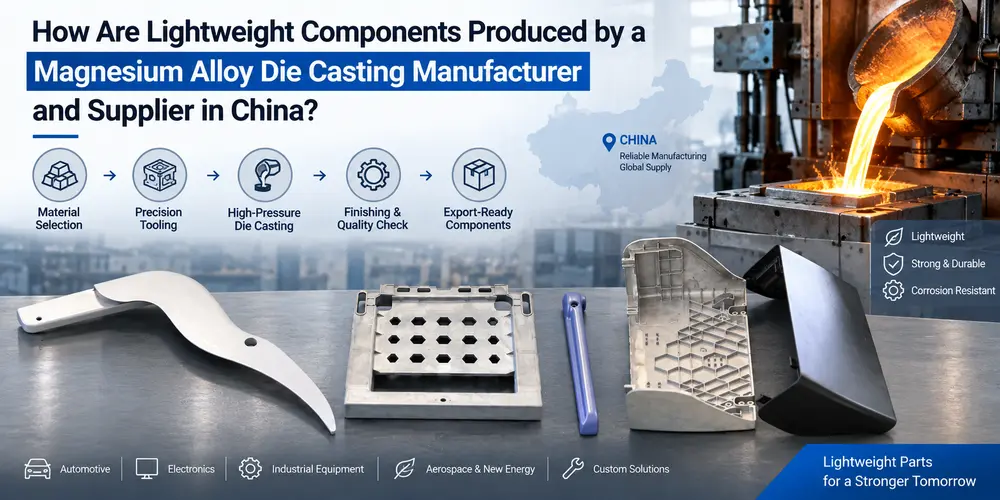
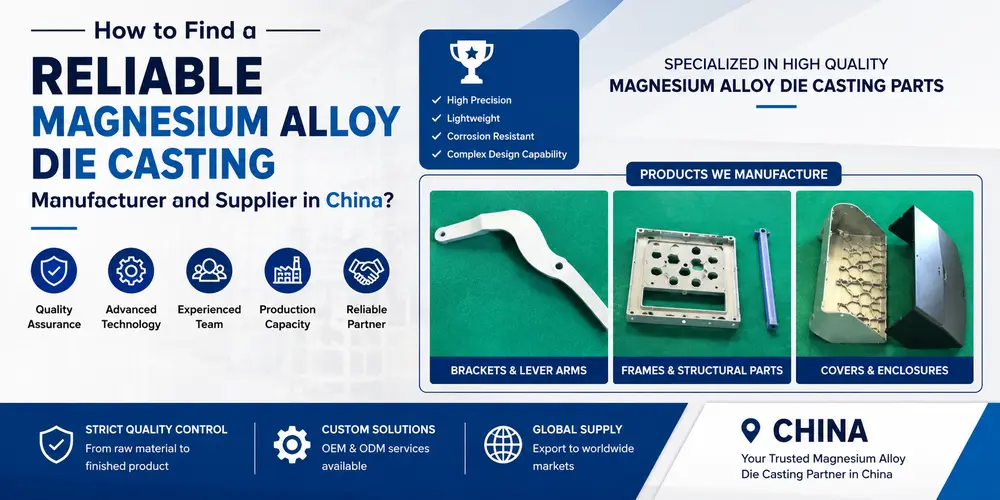
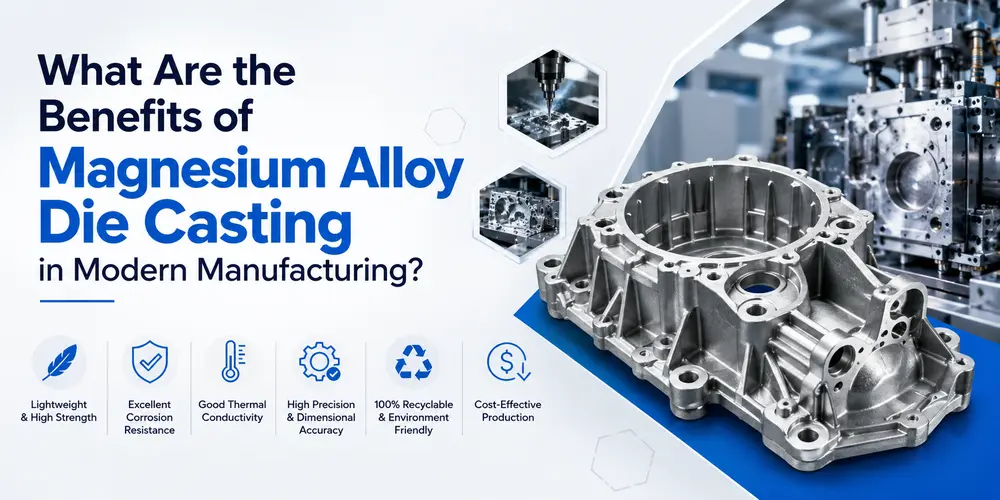
For products where weight really matters, a Magnesium Alloy Die Casting company in China is usually the go-to option. Magnesium is around 33 percent lighter than aluminum, while still keeping solid strength and good vibration damping. That makes it useful for laptops, cameras, drones, electric vehicle parts, and medical devices. And since electric vehicles keep growing, demand for lightweight magnesium components keeps rising. Chinese producers hold a large share of the world’s magnesium supply too, so pricing often stays stable and material availability is more consistent. Also, skilled manufacturers follow careful safety and quality routines, because magnesium needs extra attention during casting. Picking an experienced partner helps keep output consistent and defect-free.Cost Advantage Without Losing Quality
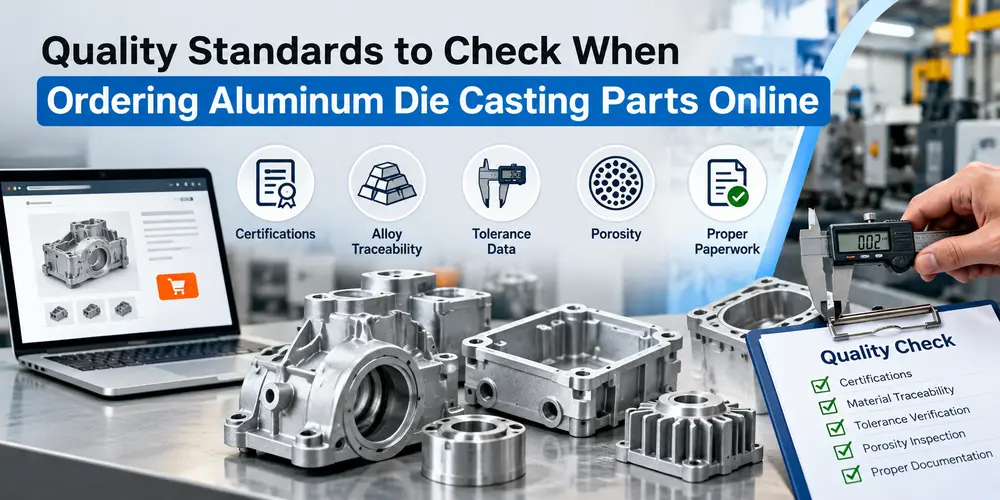
Yes, price is usually what buyers notice first, but the real advantage goes deeper than that. China has a full supply chain. Steel, hydraulic parts, electronics and skilled labour can be sourced nearby, and that helps production costs stay lower. At the same time, quality keeps improving. Many factories hold ISO 9001, use coordinate measuring machines for inspection, and follow strict testing before anything leaves the plant. Machines may also carry CE certification, which makes exports to Europe and other regulated markets easier.
Fast Delivery and Global Support
Chinese manufacturers are used to exporting so they can handle packaging, documents sea and air freight plus customs paperwork. Many of them also provide English speaking sales and technical teams, along with online installation guidance and spare parts supply. After-sales service has improved too. Remote video support, operator training, and warranty coverage are now pretty common. That gives overseas buyers more confidence, because help isn’t only “maybe”, even if the factory is thousands of kilometres away.
Conclusion: Why Choose Plastic Injection Moulding Machine Manufacturers in China
So to wrap it up, Plastic Injection Moulding Machine Manufacturers in China help support global industries through advanced machines, quicker mould making, metal casting services, competitive pricing, and export support that’s actually reliable. If you need plastic parts, aluminum components, or lightweight magnesium products, Chinese suppliers can cover a lot of ground—from early design all the way to finished goods. If you want a one-stop partner for machines, moulds and die casting, visit xiongzhigroup.com and share your requirements. The right supplier can help you cut costs, improve quality, and get your products to market faster, even when timelines are tight.